

Buzz marketing turns customers into broadcasters by creating moments people can't help but talk about. Instead of buying attention, brands earn it through conversation.
88% of consumers trust recommendations from people they know above all other marketing efforts. That trust is why buzz works. Give people something worth discussing and they do the marketing for you.
Word-of-mouth is busy driving purchasing decisions while most brands are still pouring their budgets into ads that people scroll past.
Marketing expert Mark Hughes identified six psychological triggers that reliably spark conversation: the taboo, the unusual, the remarkable, the outrageous, the hilarious, and the secret. Push one, and you create a talking point. Combine several, and you create a moment that people will rush to share.
10 buzz marketing examples worth learning from
1. Don't Panic x Shelter’s “World of Our Own” Christmas campaign (2024)
Don't Panic disguised the reality of child homelessness as a space adventure. The film showed a father and daughter exploring an imaginary alien planet before revealing that their search for a 'Space Palace' was taking place in run-down temporary accommodation.
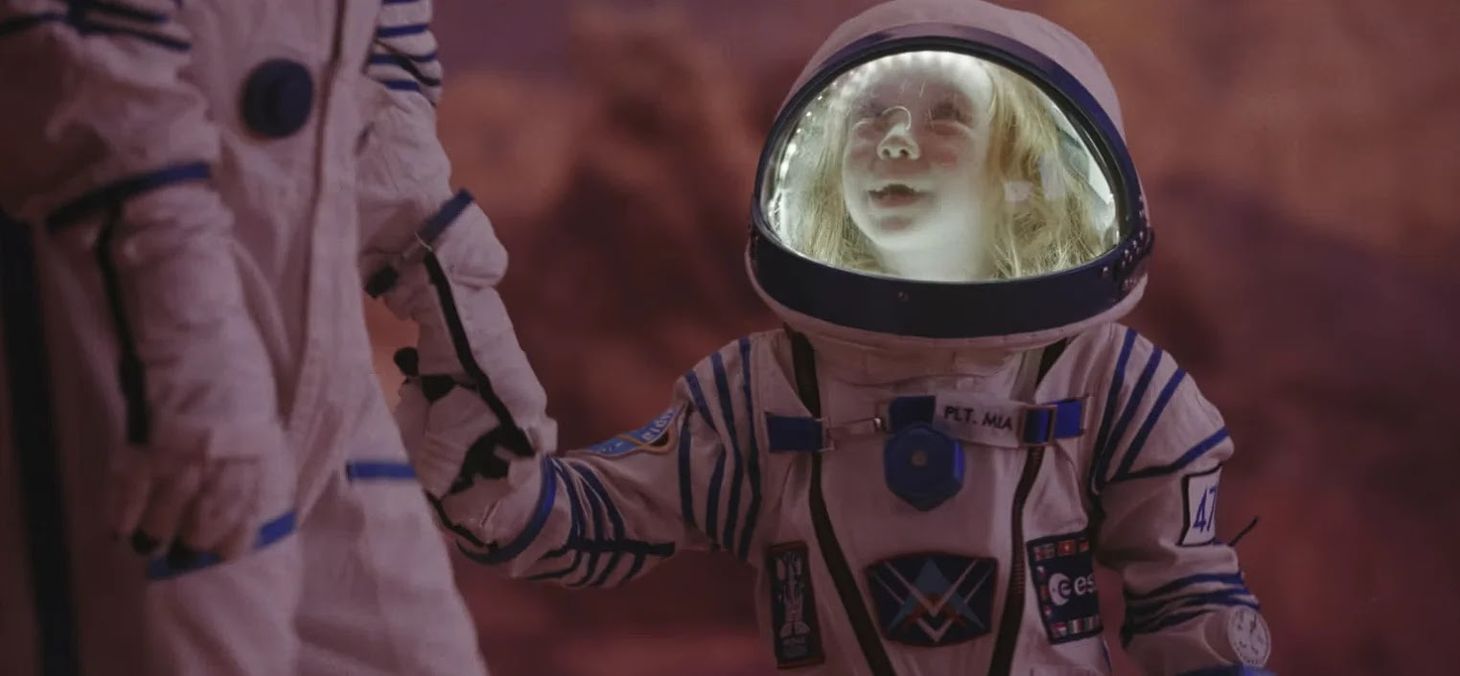
The campaign launched as 150,000+ children faced homelessness
- a record high. Major news coverage followed across 290+ media outlets, and it generated over £11 million in donations.
What to take: Reframe the uncomfortable as the unmissable. When your message is difficult, wrap it in something emotionally compelling that makes people want to share it despite the weight.
If you’re trying to work out how to strike that balance, read our take on emotional engagement and what actually makes people share.
2. Pop Mart’s Labubu (2024-2025)
Pop Mart's Labubu collectable went from underground art toy to global phenomenon in the blink of an oversized eye. The design caught Lisa from BLACKPINK's attention in April 2024, sparking international demand and fights in UK high street shops.
In the first five months of 2025, Labubu generated 876,000 mentions across social and traditional media. Reach went up 76%, engagement 137% and plush sales exploded by an absurd 1,289% in 2024.
Labubu drove around £525 million in revenue in the first half of 2025 - a 668% increase.
What to take: Let cultural tastemakers discover you organically. Position your product where the right people will stumble across it, then stand back and let their endorsement do the work paid ads never could.
3. Aldi’s "Aldeh" Oasis tribute (2025)
Aldi temporarily rebranded its Prestwich store to "Aldeh" ahead of Oasis reunion gigs at nearby Heaton Park. The supermarket's COO Julie Ashfield explained they wanted to celebrate "both the local dialect and the legendary band." Fans queued for selfies with the sign. Photos went viral on social media.
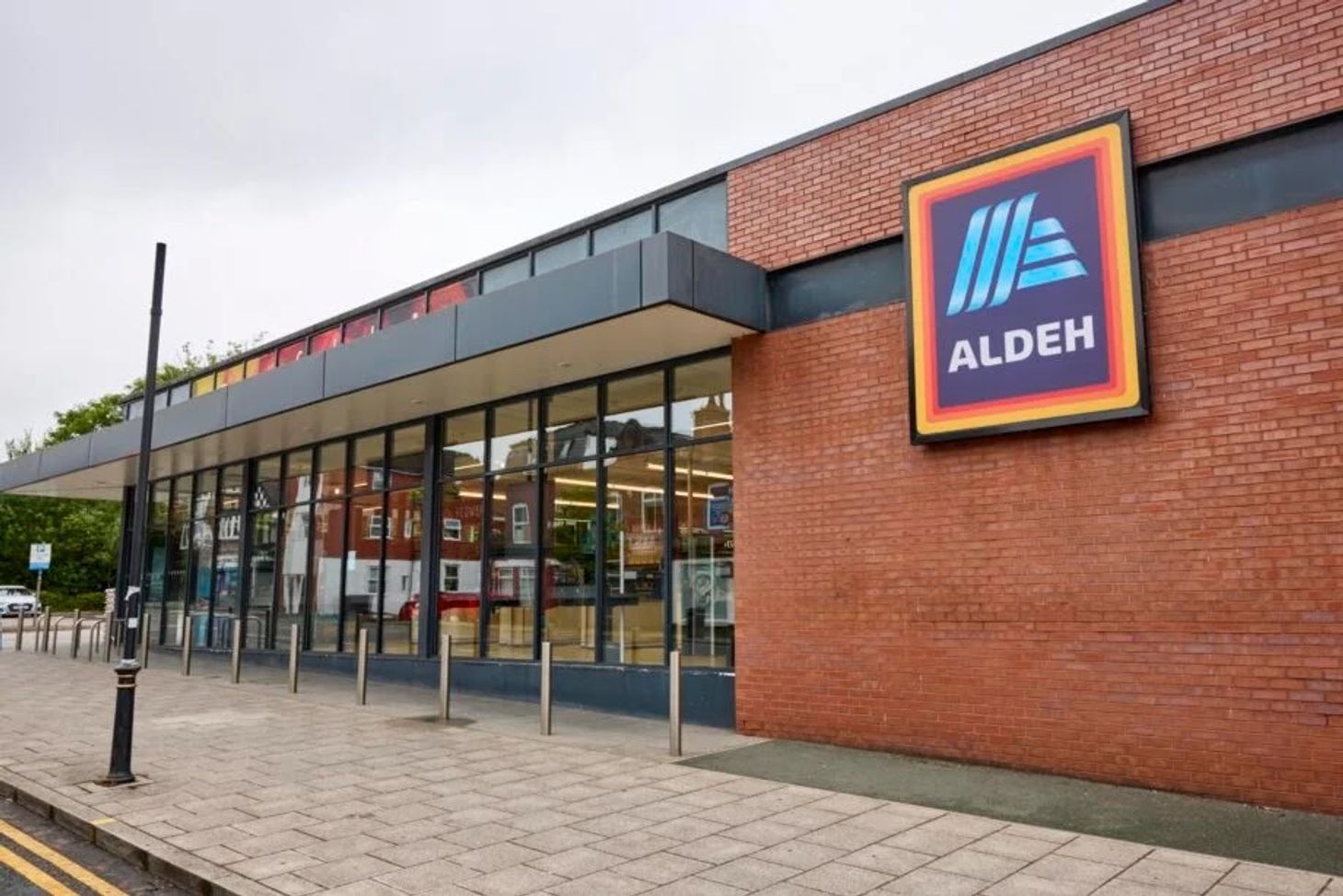
A 1,300-signature petition demanded it stay permanent. CEO Giles Hurley confirmed the post received over 15,000 likes, with support from Liam Gallagher, who shared it on Instagram. The sign is now listed on Google Maps as a cultural landmark with 40+ 5-star reviews.
What to take: Hijack cultural moments that already have momentum. Insert your brand into existing conversations when the timing guarantees an audience is already paying attention.
4. Greggs x Madame Tussauds’ Sausage Roll Waxwork (2025)
For National Sausage Roll Day (which apparently is a thing?), Madame Tussauds unveiled a wax Greggs sausage roll in its Culture Capital Zone, alongside David Attenborough and Stormzy. The first food item ever given the celebrity treatment, the buzz was boosted by a 2000-person survey that showed 46% of Brits recognise the Greggs sausage roll as a British icon. For a while, it produced more buzz than Charli XCX. A damn sausage roll.
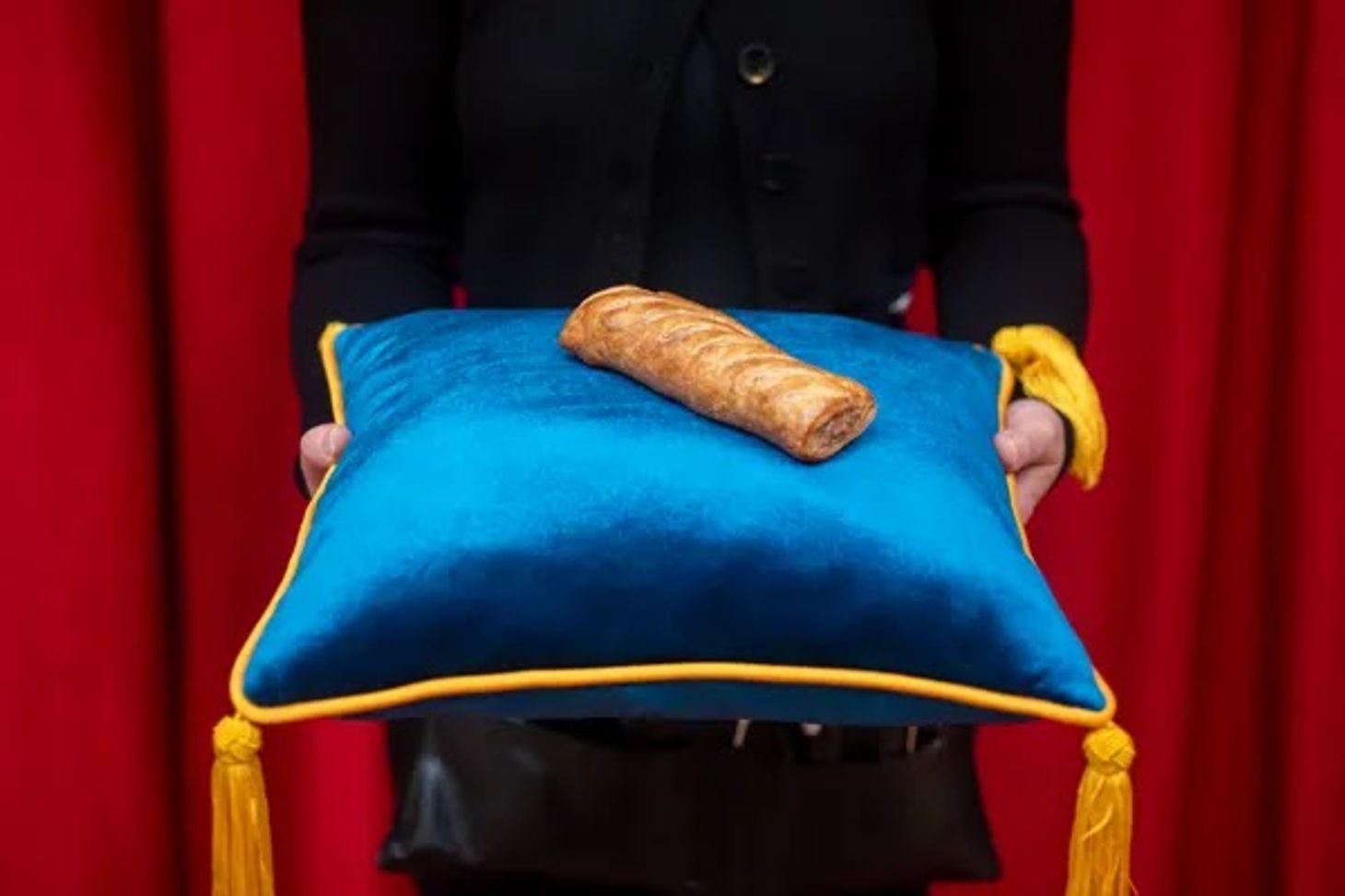
Studio artists studied dozens of real sausage rolls to capture the 96 flaky layers and golden glaze. Greggs CEO Rosin Currie called it "a proud and slightly surreal moment." By year-end, like-for-like sales jumped 2.9% in a market where everyone else was struggling.
What to take: Create absurd status mismatches. Give low-status things high-status treatment (or vice versa) to generate the kind of delightful wrongness that demands to be shared.
5. Gap x KATSEYE’s 'Better in Denim' (August 2025)
Gap’s Better in Denim campaign even took its stars by surprise. The whole thing was a reboot for low-rise jeans, led by international girl group KATSEYE, a simple TikTok dance challenge set to a remix of 2000s classic “Milkshake”. Everyone went bonkers for it.
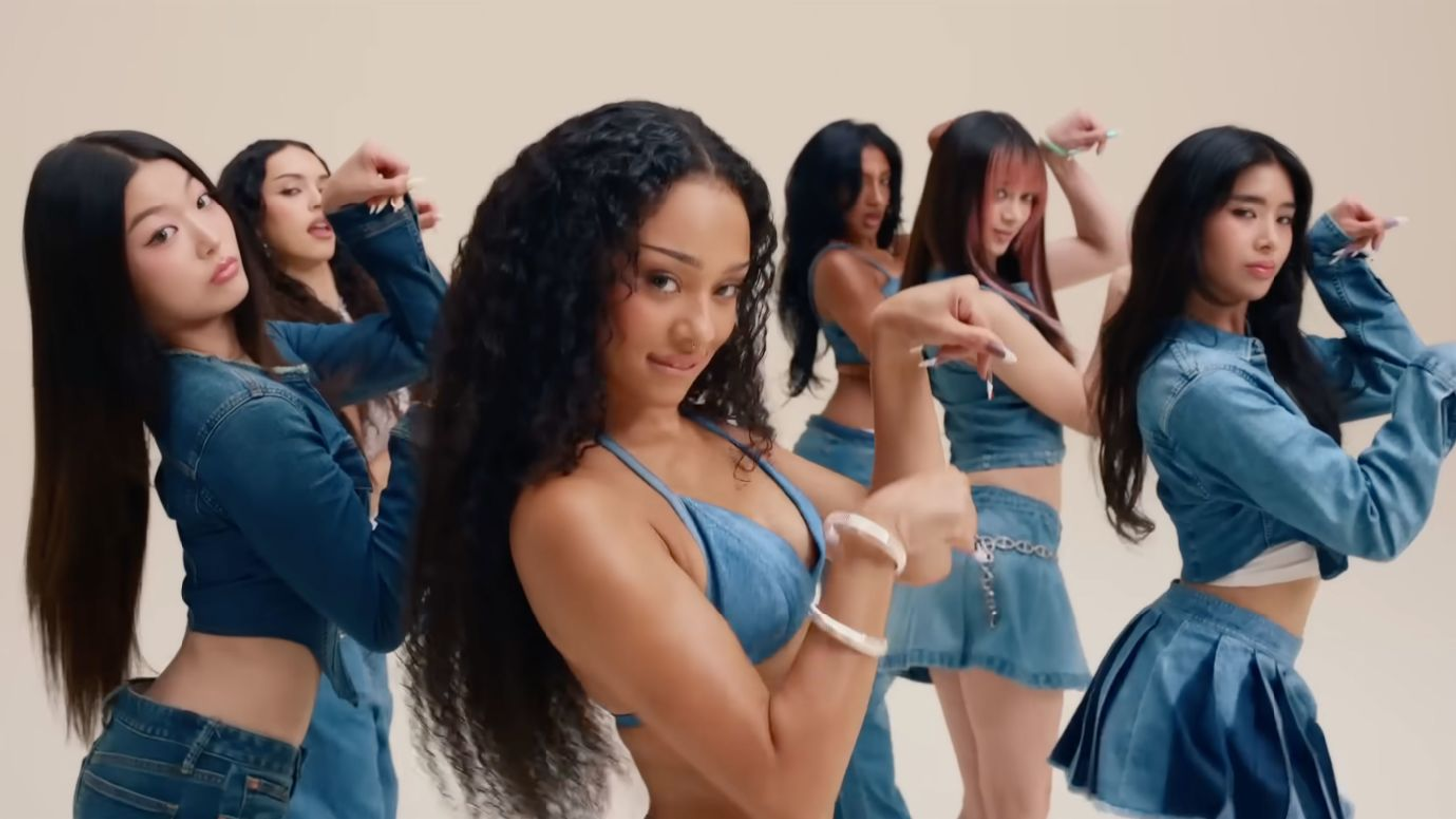
Gap backed the online moment with real-world touchpoints like a NYC dance masterclass and an Outside Lands activation, and added a “want it now” object on top: the limited KATSEYE hoodie, which quickly sold out.
The result? Gap says it became their “most successful social media campaign to date”, delivering “600+ million views” and “8+ billion impressions” in a month.
What to take: Turn your audience into the amplifier. Design campaigns where participation is the product and the act of joining in becomes the reason to tell others about it.
If you want the playbook behind this level of hype, check out our guide on how to go viral.
6. GoDaddy’s “Walton Goggins Goggle Glasses' (2024-2025)
Walton Goggins’ noggin came up with goggle glasses in 2024, then together with GoDaddy turned it into a real functioning business using their AI-powered site builder Airo.
After that, the campaign flipped - Goggins wore the goggles in public with zero context, and the internet did what it does best: speculated and memed like crazy.
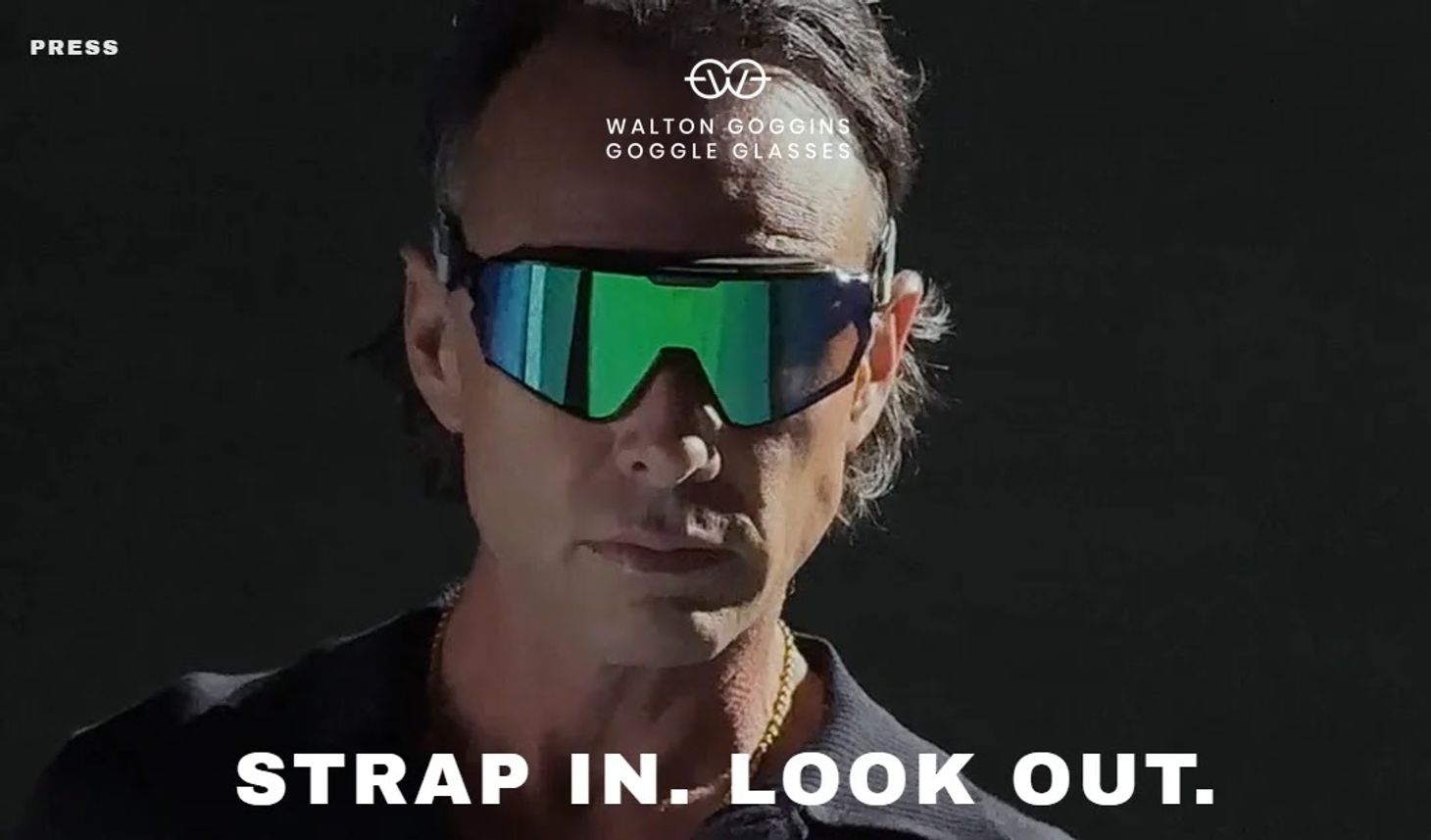
The payoff came at Super Bowl 2025, when GoDaddy finally explained the whole bit as an Airo proof-of-product, along with the detail that the store got its first order within an hour of going live.
It earned “15+ billion impressions” and an “87% increase in traffic” for the Airo platform, and the industry loved it enough that it won the Creative B2B Grand Prix at Cannes Lions 2025.
What to take: Exploit the curiosity gap. Launch with deliberate ambiguity that makes people debate what's happening, then reveal the answer when speculation peaks.
7. Specsavers’ van on bollard stunt (March 2024)
Specsavers leaned on nearly a quarter of a century’s worth of brand recognition when they staged a perfectly plausible Great British cock-up and let everyone else do the distribution legwork.
They planted a branded (though technically already written off) van on Edinburgh’s Castle Street with the back end lifted by a rising bollard, parked right next to a very obvious warning sign.
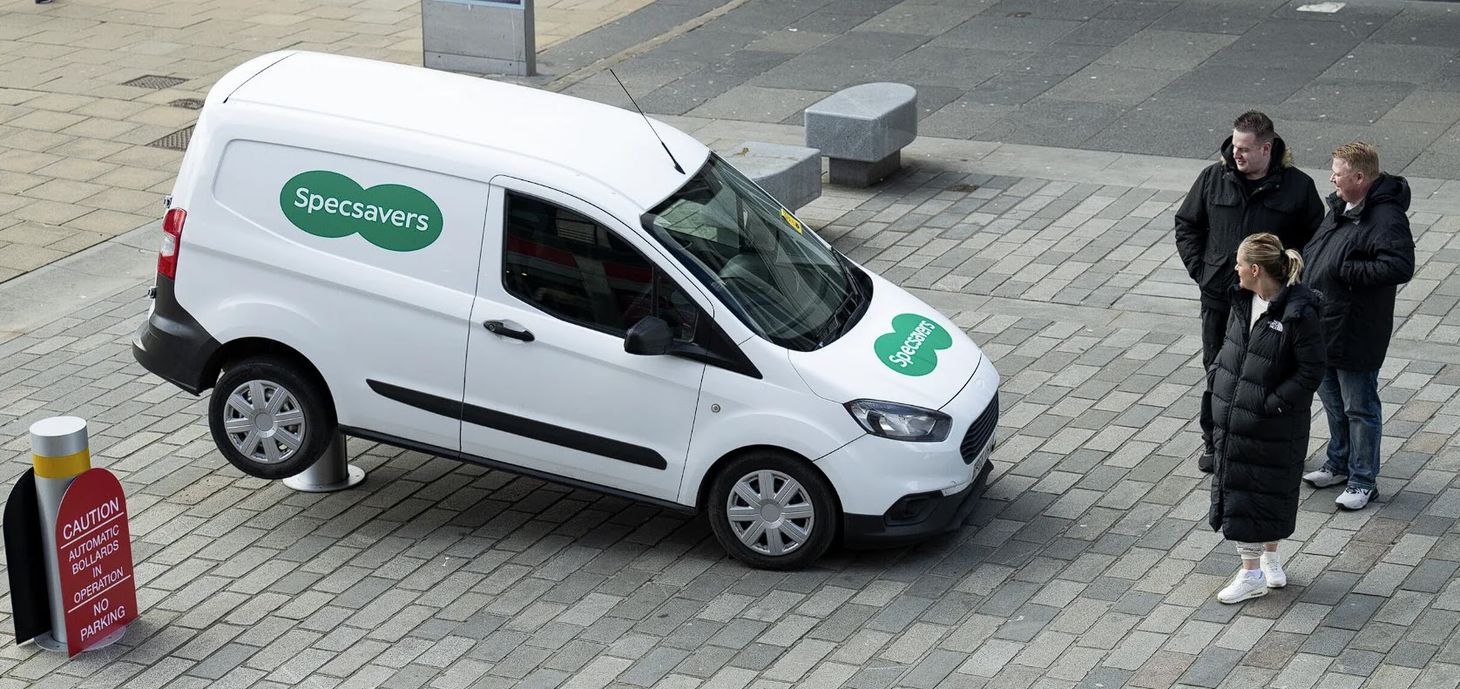
It sat in that sweet spot between “is this real?” and “this can’t be real!”. Passers-by grabbed their phones, then the tagline did the rest. It hit “150 million plus media impressions” almost immediately.
The stunt pulled 6m+ social views and 1m likes, and was picked up in 20 online news articles and featured on ITV’s This Morning.
What to take: Make your brand promise visible in the real world. Stage moments that demonstrate your value proposition so clearly that the stunt tells the story without explanation.
8. M&S “Red Diamond Strawberry & Crème Sandwich” (2025)
M&S didn’t so much run a campaign as they did drop a triangle-shaped bomb and then run off giggling. They released a strawberries-and-cream sandwich a week before Wimbledon and let the country do what it does best: argue about food.
The launch hit that perfect mix of part nostalgic Wimbledon vibes, part unhinged “which maniac asked for this?” energy. Then it escalated in the most British way possible: the discourse got so loud it turned into a VAT argument.
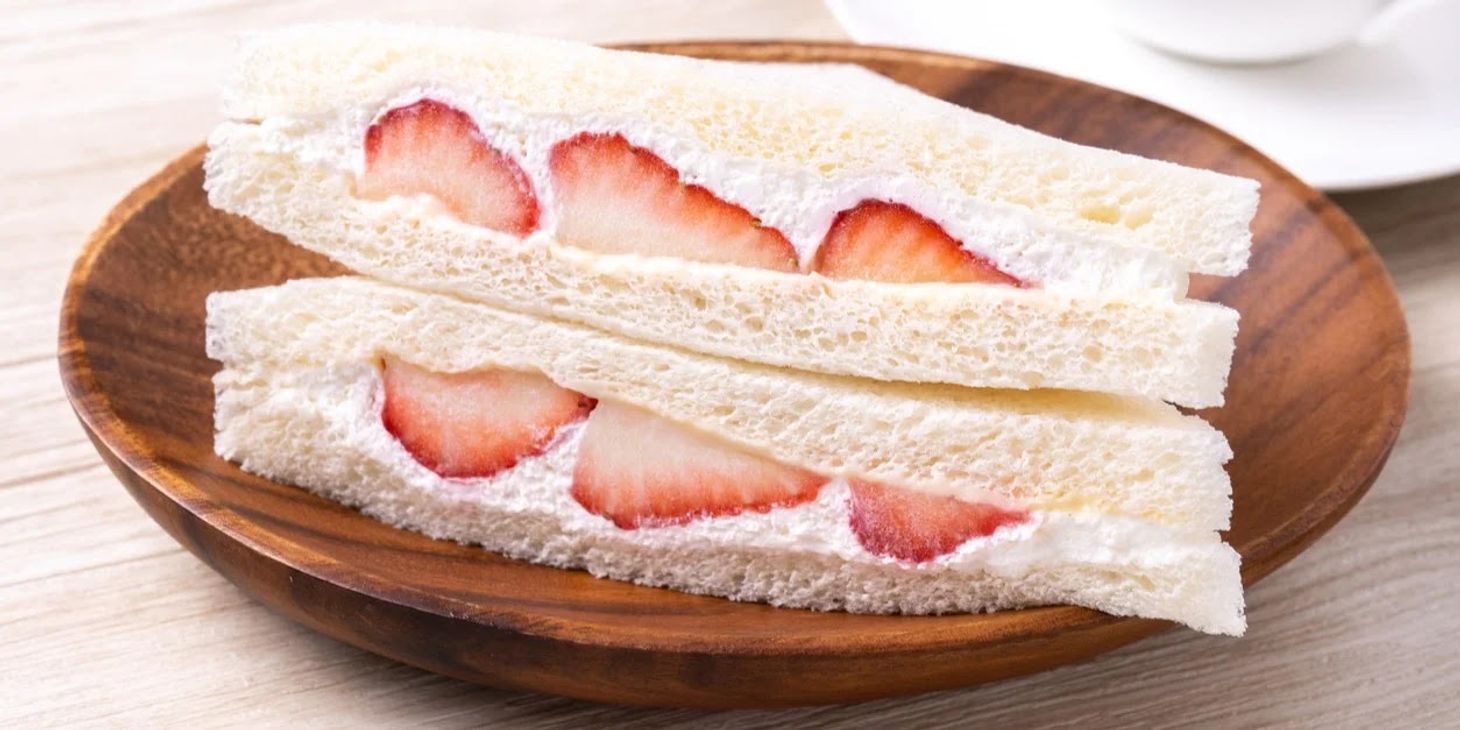
M&S happily rode the chaos, describing the sandwich as having “taken social media by storm”, then later put it on the record as one of their best “viral product successes”. And because the internet can’t leave a viral food trend alone, it eventually got the British public’s ultimate seal of approval: being deep-fried by a Scottish chippy.
What to take: Manufacture the debate. Launch something deliberately polarising that forces people to declare a position - then watch them argue with each other as your mentions skyrocket.
9. Duolingo's mascot death (February 2025)
One day, Duolingo took a look at their owl mascot and chose violence. In early February 2025, they posted that Duo was dead and played it straight enough to make people ask “wait… is this real?”
Things escalated with a video revealing the cause of death: Tesla Cybertruck. The team since explained they used internet comments as their next brief, and even admitted they picked the Cybertruck because it was “just so ridiculous”.
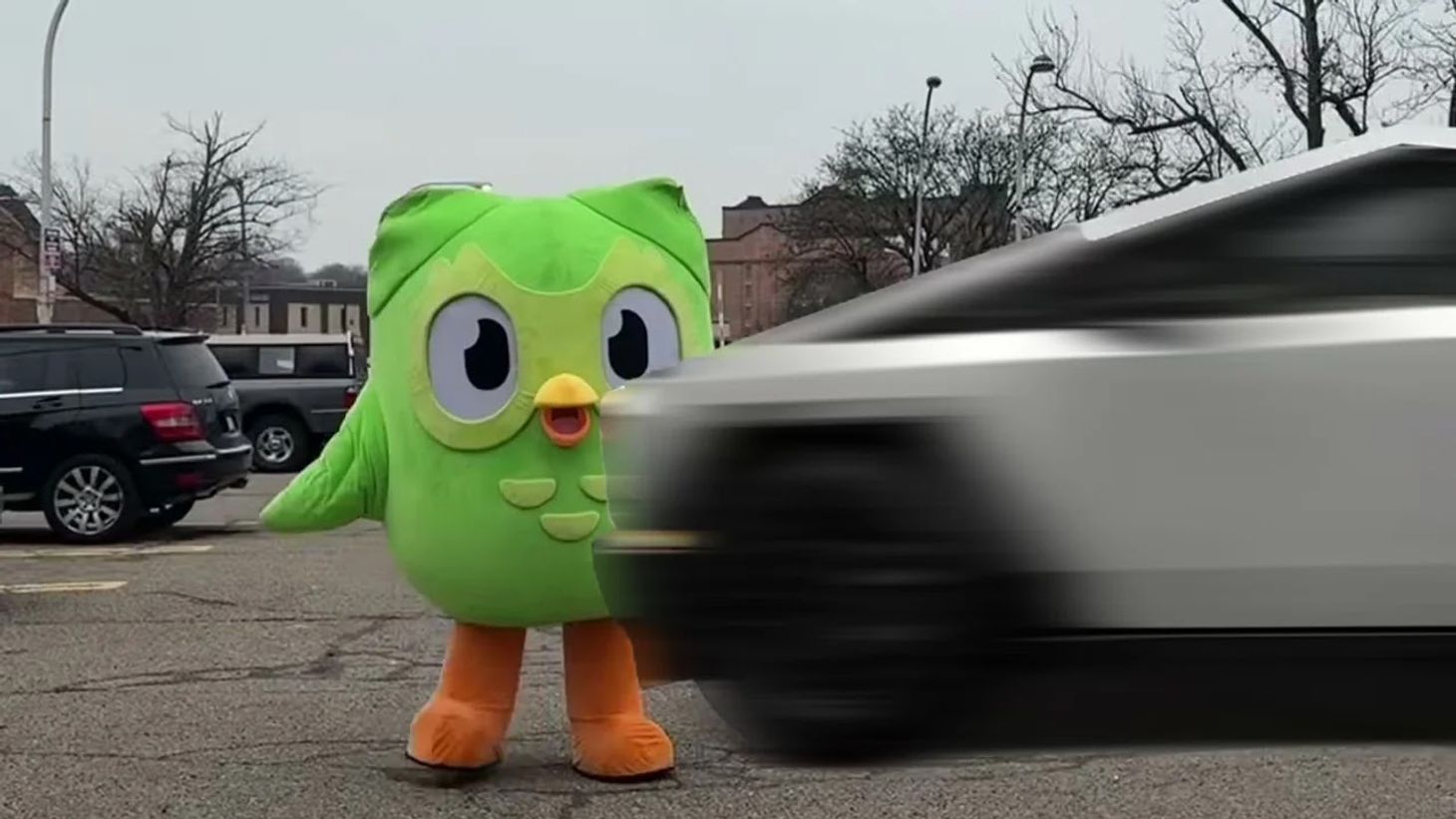
Once the internet was hooked, Duolingo turned the joke into another hook. In mid-February, they set users a collective goal to save him, and a week later, Duo rose again with the line “Faking my death was the test and you all passed”.
It was a social media coup, with 1.7 billion impressions across Duolingo’s socials in the two weeks between the “death” and the reveal. The initial post hit 144 million views on X, while the TikTok response pulled 558,000 likes and 20,000 comments. The internet will participate in anything - as long as you give them something worth playing with.
What to take: Give your brand permission to misbehave. Find the line of what's "acceptable" in your category, then deliberately step over it in a way that gets people talking.
10. Channel 4 “The 24-Hr Pianothon” (April 2025)
Channel 4 turned Liverpool Street Station into a pop-up concert hall for a full day to launch the new series of The Piano. Literally 1,440 minutes straight of live music on a stand-alone Steinway, with commuters accidentally becoming the audience to Gemma Collins playing Chopsticks.
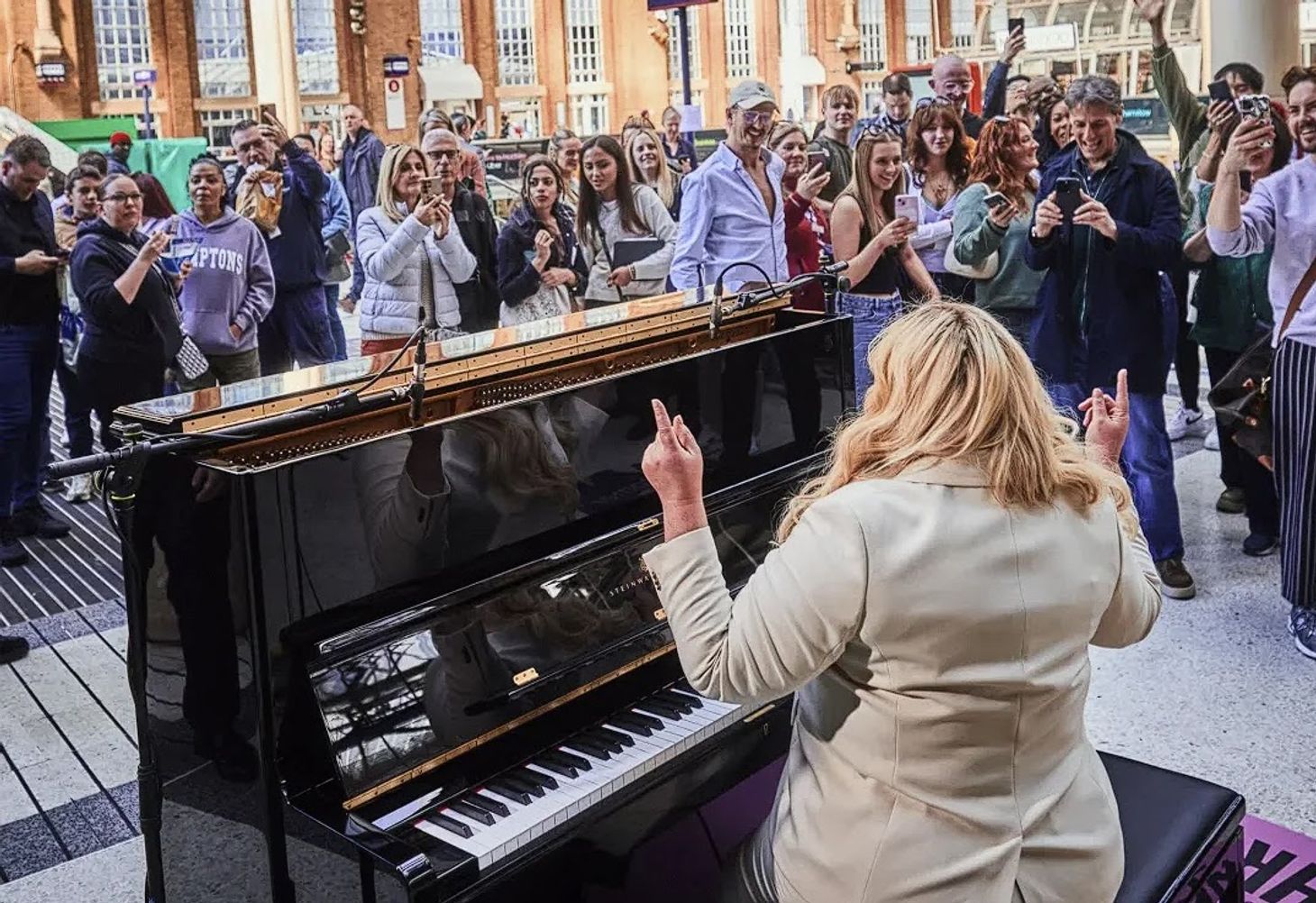
The line-up wasn’t just virtuosos either: it pulled in 55 different pianists across genres (including more celeb cameos), with the whole thing livestreamed so the “you had to be there” moment still travelled.
The stunt drove over 50 pieces of coverage (including ITV’s Good Morning Britain), delivered 388M+ earned media reach and 11M+ social reach within 24 hours, and generated 7.8M organic video views (not to mention the 1,000+ people who watched live in-station over the 24-hour run).
What to take: Make the spectacle the story. When the scale or audacity of what you're doing becomes newsworthy in itself, the brand benefit follows naturally.
How do you run a buzz marketing campaign without it backfiring?
Before you launch
Ask three questions: Could this offend? Could this punch down? Does this conflict with what we claim to stand for?
If you're uncertain, test it with a small group that'll tell you the truth. Your marketing team doesn't count.
Finally, before you light the fuse, learn from these PR stunts gone wrong.
While it's running
Set up monitoring before launch day. Google Alerts for news. Social listening tools for sentiment. Decide now who responds and when.
Speed matters. A quick, witty, or heartfelt response can win hearts and minds. A 24-hour silence smells like guilt.
If it goes sideways
Don't delete. Don’t panic (shameless plug achieved). Don't pretend it didn't happen.
If you were wrong: apologise clearly, explain the correction, move on.
If people misunderstood: clarify without being defensive. Explain what you meant, acknowledge why it landed badly.
If you're standing your ground: commit completely. Half-measures make it worse.
Get people buzzing about your brand
Want a campaign people actually share?
Don’t Panic creates moments that earn attention. Not beg for it. We've done it for businesses, charities, and NGOs that needed to cut through. Now it’s your turn - get in touch.