


Brand activism is when companies take a public stance on social, political, or environmental issues. When it works, it's great for brand equity and consumer loyalty. When it fails, the backlash is swift.
Almost half of consumers now say they're more likely to buy from brands that speak up on specific issues. For Gen Z, that jumps to nearly two-thirds. But after years of rainbow-washing, people are quicker than ever at spotting when it's just for show.
Below, we break down 11 examples across three types of activism: product-led, campaign-led, and moment-driven - plus what happens when it backfires.
What is Brand Activism?
Brand activism is when a brand engages with a live sociopolitical issue and says, "Here's where we stand" - then sets out to prove it with action rather than hollow words.
It is not charity. It is taking a position on something divisive - racial justice, climate change, reproductive rights - knowing it will cost you some customers, and gain you others.
Real activism shows up in how you operate, who you platform, and what you fund. Not in the rainbow logos you slap on once a year.
What’s the Difference Between Brand Activism vs. Corporate Social Responsibility (CSR)?
CSR and activism aren't the same thing. CSR lives in your policies, reports, and audits. It’s necessary backside covering - there to keep you out of trouble rather than drag you into a culture war.
- CSR protects brand reputation
- Activism defines brand identity
Activism is bolder, and so it’s a fair bit riskier. It directly shapes how people read your brand's identity, especially Millennials and Gen Z, who choose where to spend and work based on brand values.
Real activism costs something. Fake activism costs everything.
Want to learn more about how to do CSR right? Read our article about corporate responsibility and how to do your bit.
Brand Activism Examples: Quick Glance
Here’s a quick summary of the best and worst brand activism examples, organised by type. Then we’ll dig a bit deeper into what they did right or wrong, and what to learn from them.
- Patagonia – “Don’t Buy This Jacket”
- Type: Product & experience-led
- What they did: Told customers not to buy its products, built repair/resale into the model, and transferred ownership so profits fund climate action.
- YouTube × Don’t Panic – “Seat at the Table”
- Type: Product & experience-led
- What they did: Used COP26 OOH budget to buy and rewild real farmland with Cheshire Wildlife Trust, turning the media spend into environmental action.
- MSC × Don’t Panic – “Buy Blue, Protect Dinner”
- Type: Product & experience-led
- What they did: Connected a tiny ecolabel on products to ocean protection, reframing consumer choice at the shelf as direct environmental activism.
- Dove – “The Code”
- Type: Campaign-led
- What they did: Took 20 years of Real Beauty into the AI era with tools that counter harmful beauty norms on Pinterest, winning a Cannes Grand Prix for systemic impact.
- Save the Children × Don’t Panic – “Most Shocking Second a Day”
- Type: Campaign-led
- What they did: Reframed the Syrian conflict as happening in London to make a distant crisis immediate, driving huge global reach and engagement.
- Shelter × Don’t Panic – Christmas campaigns
- Type: Campaign-led
- What they did: Four years of culturally dominant Christmas ads grounded in real homelessness stories, driving record donations and long-term credibility.
- Halifax – “Close Your Account”
- Type: Moment-driven
- What they did: Introduced pronouns on staff badges, then publicly told critics to “close your account”, drawing a line in real time on inclusion.
- Global Witness × Don’t Panic – “OilyFans”
- Type: Moment-driven
- What they did: Created in days to hijack oil giants’ record profit announcements and a topical OnlyFans billboard stunt, satirising profiteering during a cost-of-living crisis.
- WaterAid × Don’t Panic – “The Girl Who Built a Rocket”
- Type: Moment-driven
- What they did: Launched as global news fixated on Mars missions, asking why we’re searching for water on other planets while millions lack it here.
When it backfires
- Target
- Built a DEI/Pride reputation, then retreated under political pressure — triggering boycotts, a 9.5% footfall drop, and ~$12.4B lost in market value.
- BrewDog
- Sold a progressive, “punk” brand story while ex-staff described a toxic internal culture, turning its activism into a credibility crisis.
11 Brands That Took a Stand (and What to Learn From Each)
Brand activism can show up in different ways: in what you sell, in the stories you tell, or in how you respond when the world moves faster than a brand plan.
Here’s how it looks in practice, with brand activism examples both from other brands, and from some of the fantastic folks that we work with here at Don’t Panic.
Product & Experience-Led Activism Examples
When your stance shows up in what people physically interact with - your products, your labels, or a real-world experience - not just in your ads.
Patagonia - “Don’t Buy This Jacket”
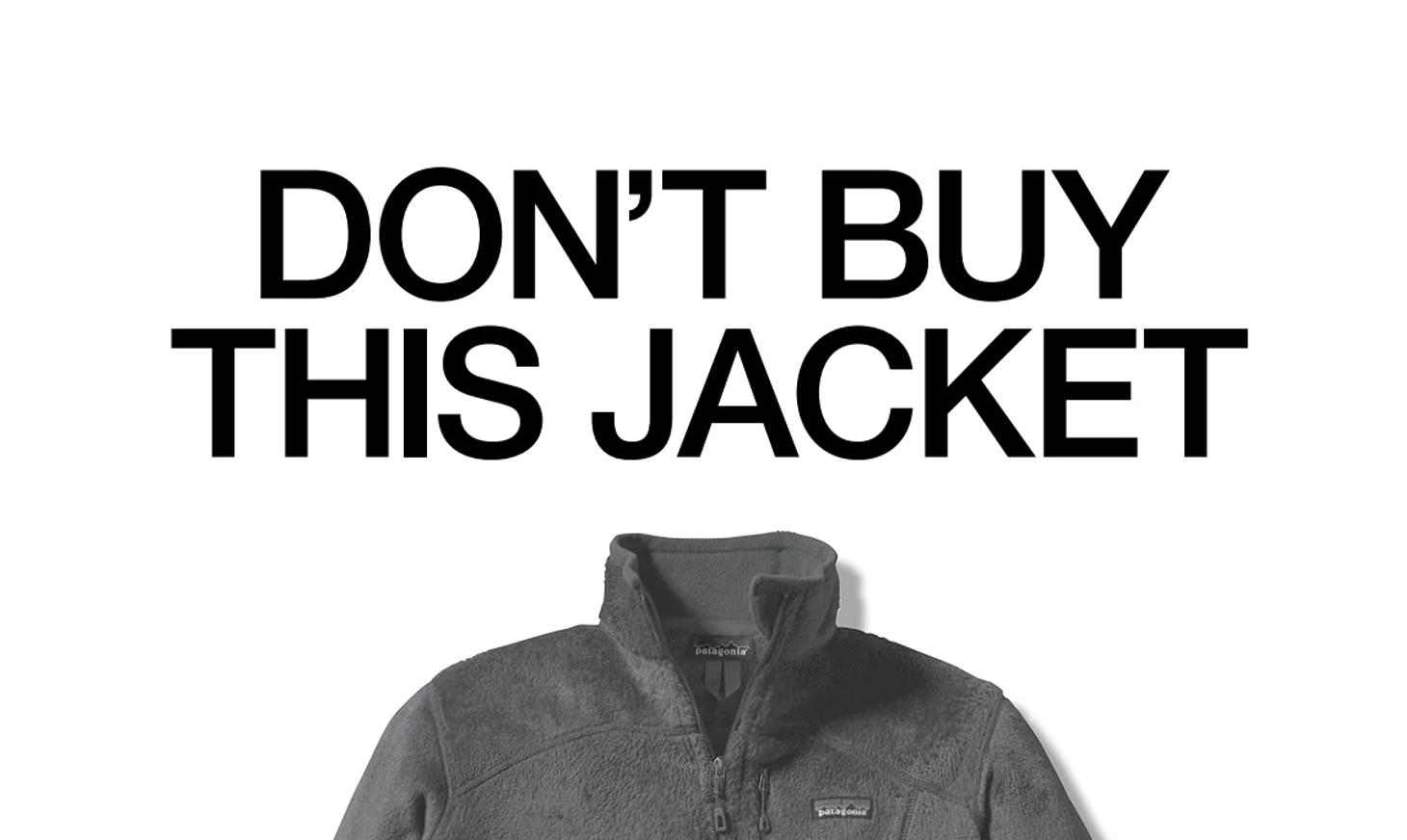
Patagonia built its identity on challenging overconsumption and fast fashion. In 2011, it ran a Black Friday ad urging people not to buy its jacket, highlighting the environmental cost of making it.The provocation landed because Patagonia had already built repair services, resale programs, and lifetime guarantees into its business model.
In 2022, founder Yvon Chouinard went even further. He transferred ownership to a trust and nonprofit, redirecting all company profits into climate action.
Take away: When activism shapes what you make and where the money goes, it stops being marketing strategy and becomes a business model.
YouTube × Don’t Panic - “Seat at the Table”
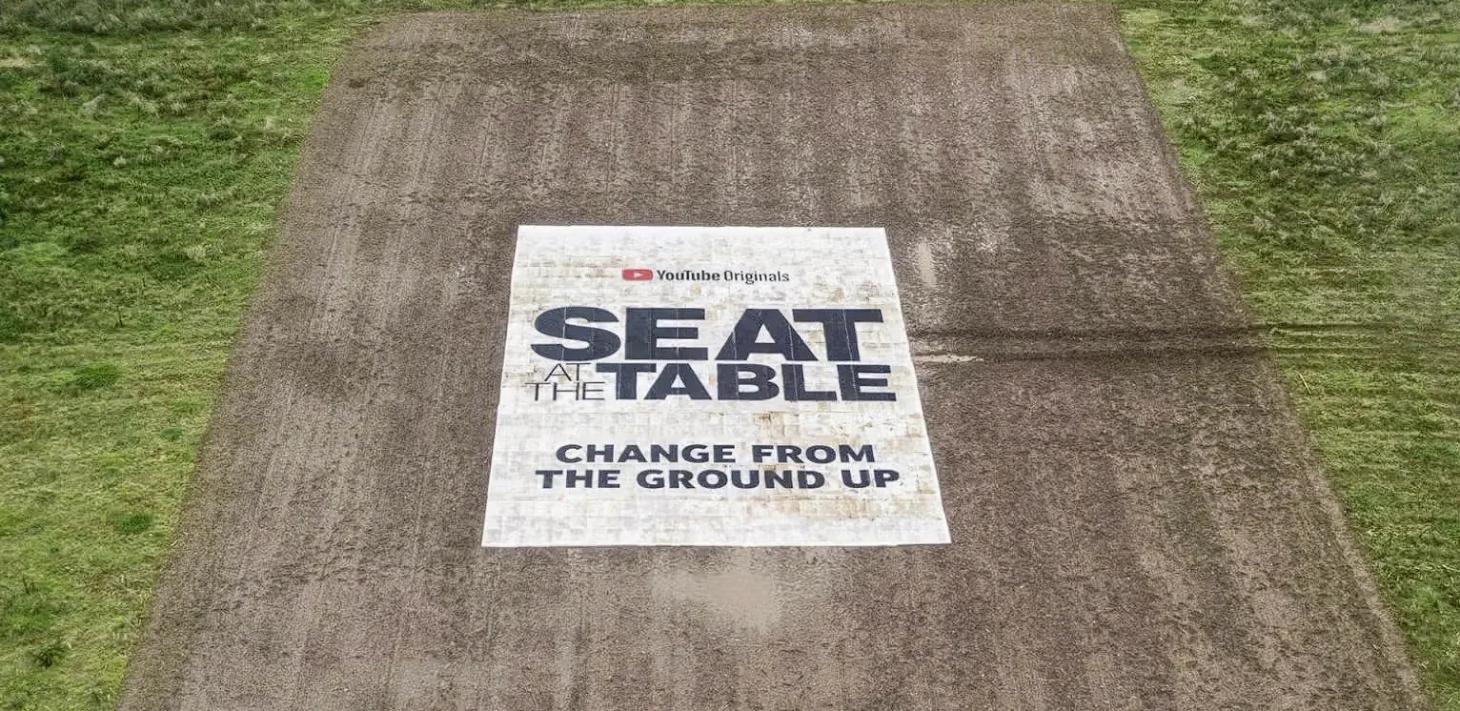
To promote YouTube Originals' "Seat at the Table" series ahead of COP26, we turned their OOH budget into actual environmental action. Instead of renting a billboard, we partnered with Cheshire Wildlife Trust to rewild an acre of intensively-farmed land in Cheshire.
We created a 500sqm poster from seed and sustainable paper, laid it on the depleted land, and watched it become a wildflower meadow. The partnership supported habitat creation including a pond, reintroduced lost tree and shrub species, and prepared the land for nature's recovery.
Together we turned their “media spend” into a wildlife habitat. That’s a real ooh right there.
The core action wasn't the campaign. It was buying and rewilding farmland.
Take away: Experience-led activism works when the act itself makes the point before the campaign even speaks.
MSC × Don’t Panic - “Buy Blue, Protect Dinner”
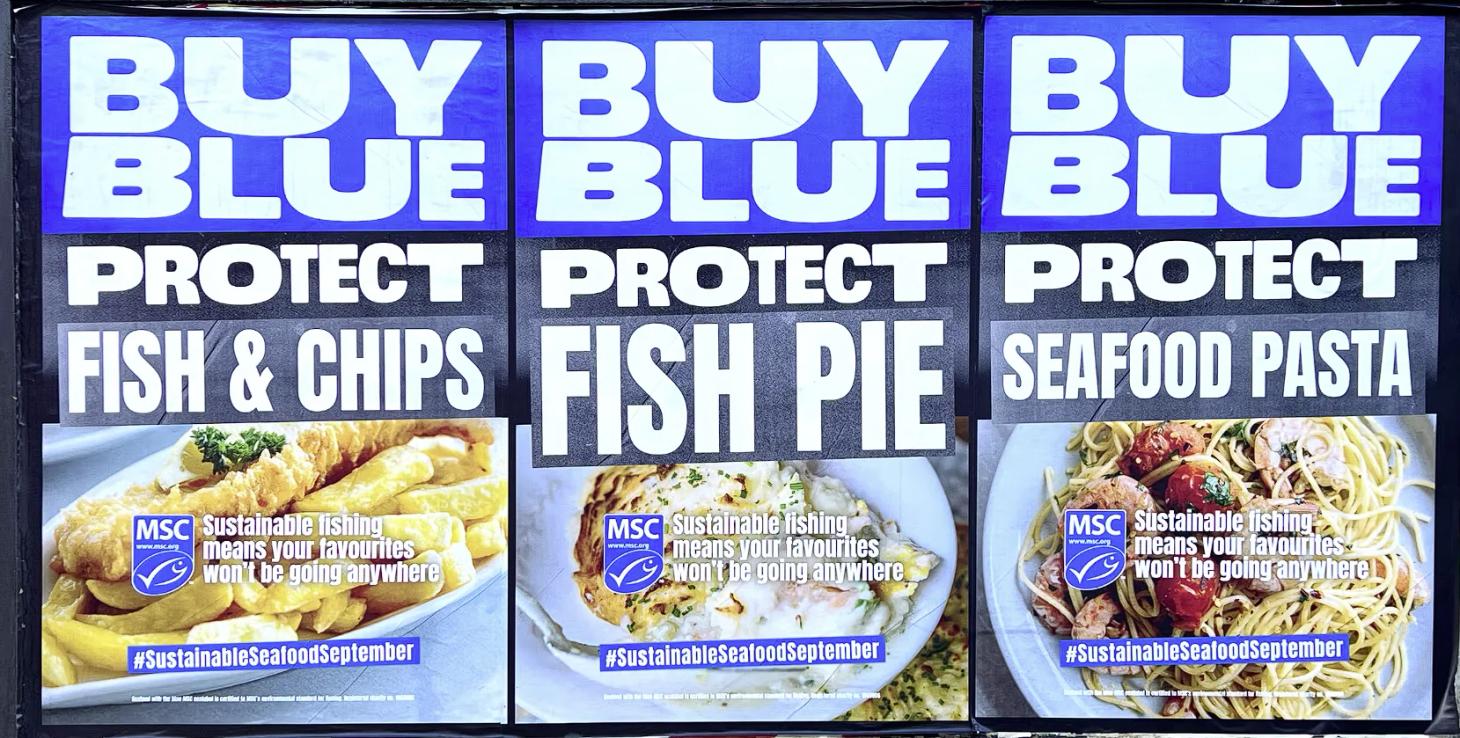
For Sustainable Seafood September 2025, we worked with the Marine Stewardship Council to reframe their blue tick with our “Buy Blue, Protect Dinner” campaign. Not as a label. As an act of activism.
The message was simple: choosing MSC-certified seafood isn't passive. It's a split-second choice that protects the fish dishes people actually love - from fish pie to fish and chips. The campaign connected younger consumers' sustainability concerns directly to what matters: keeping their favorite meals on the table long-term.
Backed by Tesco, Sainsbury's, Birds Eye, and Princes, the work ran across social and outdoor throughout September. Here the activism doesn’t sit in the ad; it sits in the product. Every MSC-certified item is an invitation to make a better choice without needing a manifesto.
Take away: Activism lands harder when it’s built into the choice of product itself, not the campaign that explains it.
Campaign-Led Activism Examples
Campaign-led activism lives in stories. What you put out. Who you partner with. Which causes deserve your media budget.
Dove - “The Code”
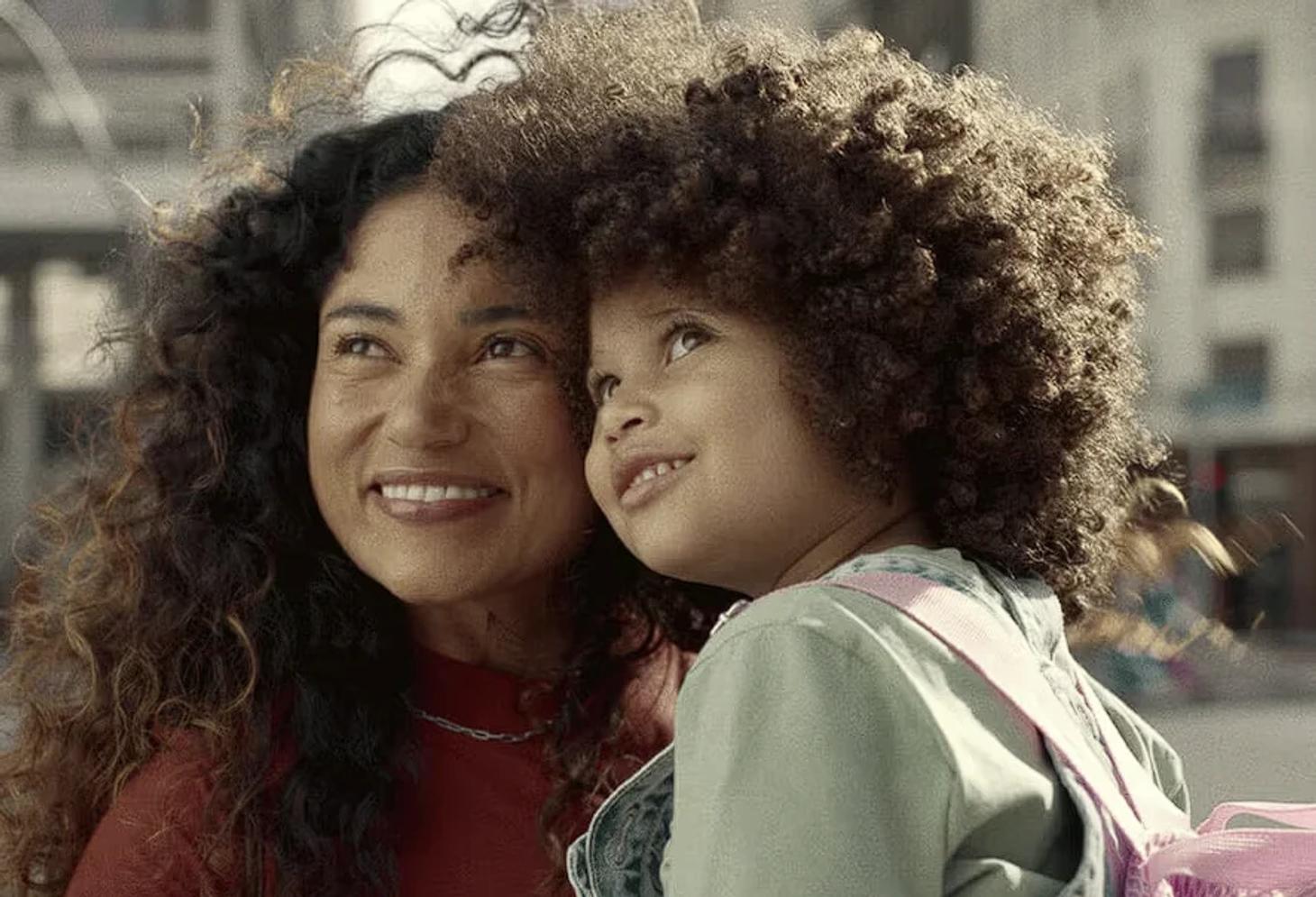
As people started using AI tools to generate increasingly homogenous beauty imagery, Dove’s brand management team countered by extending its long-running Real Beauty campaign into a new front: algorithmic bias.
Tools built with Pinterest actively countered harmful new AI norms, influencing the images women see every day for the better. The work won a Cannes Grand Prix for its systemic impact, generated over 4 billion impressions globally, and reinforced Dove's reputation as the beauty brand driving social change.
Two decades of consistency across successful campaigns means consumers trust Dove's stance - and reward it with customer loyalty.Take away: Campaign-led activism shifts the landscape. Not just one brand's ads.
Save the Children × Don’t Panic - “Most Shocking Second a Day”
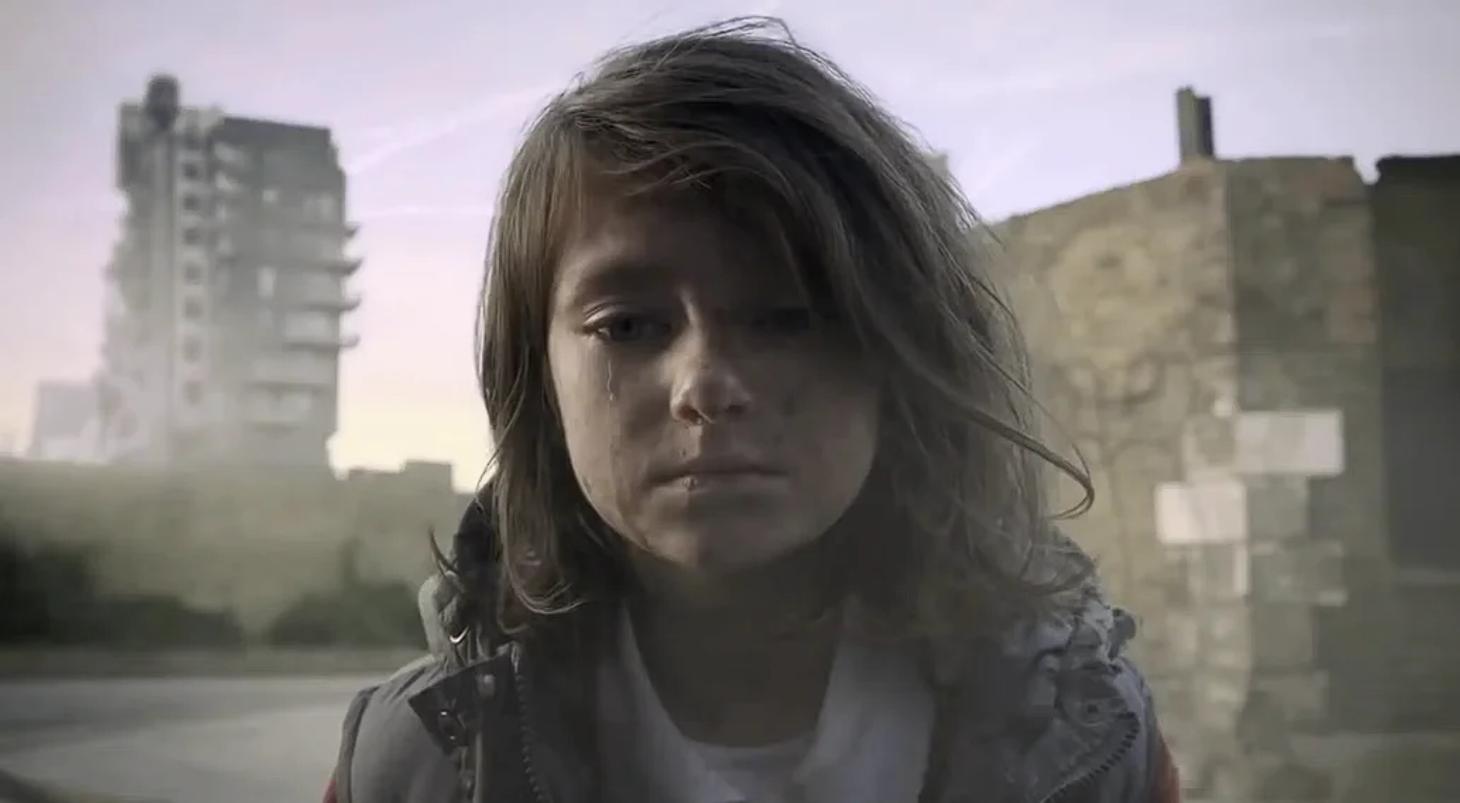
To mark the third anniversary of the Syrian conflict, and in the face of declining support for the ensuing refugee crisis, we relocated the war for our “Most Shocking Second a Day” campaign. To London.
We filmed a British girl's life collapsing one second at a time - from birthday party to bomb shelter in 90 seconds. The format made it impossible to look away. The setting made it impossible to dismiss.
23 million people watched in the first week. 79 million have watched since. Save the Children's YouTube subscriptions jumped over 1000%. The video received 1.1 million likes, was shared 920,000 times, hit Reddit's front page twice, and became the first non-profit ad to top YouTube's most popular ad of the month.
Sure, it earned global press and won a Gold Cyber Lion, but most importantly - it drove donations.
Take away: Reframing a crisis through a familiar lens can transform sympathy into agency.
Shelter × Don’t Panic - Christmas Campaigns

Every year since 2021, we've helped Shelter put homelessness at the centre of the UK's Christmas ad season.
From "Earworm" (Bonnie Tyler stuck in a kid's head while his mum fights for housing) to "World of Our Own" (a dad protecting his daughter through imagination), each film builds from lived experience. No gauche sentimentality. Just truth.
The 2022 campaign, "Brave Face" was the first charity ad to land in top Christmas lists alongside John Lewis and Amazon. Unusual for the non-profit sector. Less unusual when the work earns it - showing consistency like this means people believe you're serious.
Take away: Consistency is its own form of activism. When you commit to an issue year after year, people believe you mean it.
If your business has a good cause and you want to get word out about it, take a look at our article on 2025’s cause marketing trends.
Reactive Activism Examples
Reactive activism happens in real time - responding to new laws, protests, social movements or sudden backlash.
Halifax - “Close Your Account”
When Halifax introduced pronouns on staff badges as an expression of brand values - a seemingly simple act of political advocacy - the backlash came instantly. Conservative customers and commentators demanded they reverse course.
Halifax's response? “If you disagree with our values, you're welcome to close your account.”
Not finessed. Not deferred to a future brand platform. Just a real-time choice to draw a line on inclusion. The bank made it clear: some customers weren't worth keeping if it meant abandoning stated values.
The moment tested whether Halifax's commitment was genuine or performative. They chose to stand firm, even knowing it would cost them accounts.
Take away: Moment-driven activism tests your instincts. If you can’t stand by a stance under pressure, don’t claim it.
Global Witness × Don’t Panic - “OilyFans”
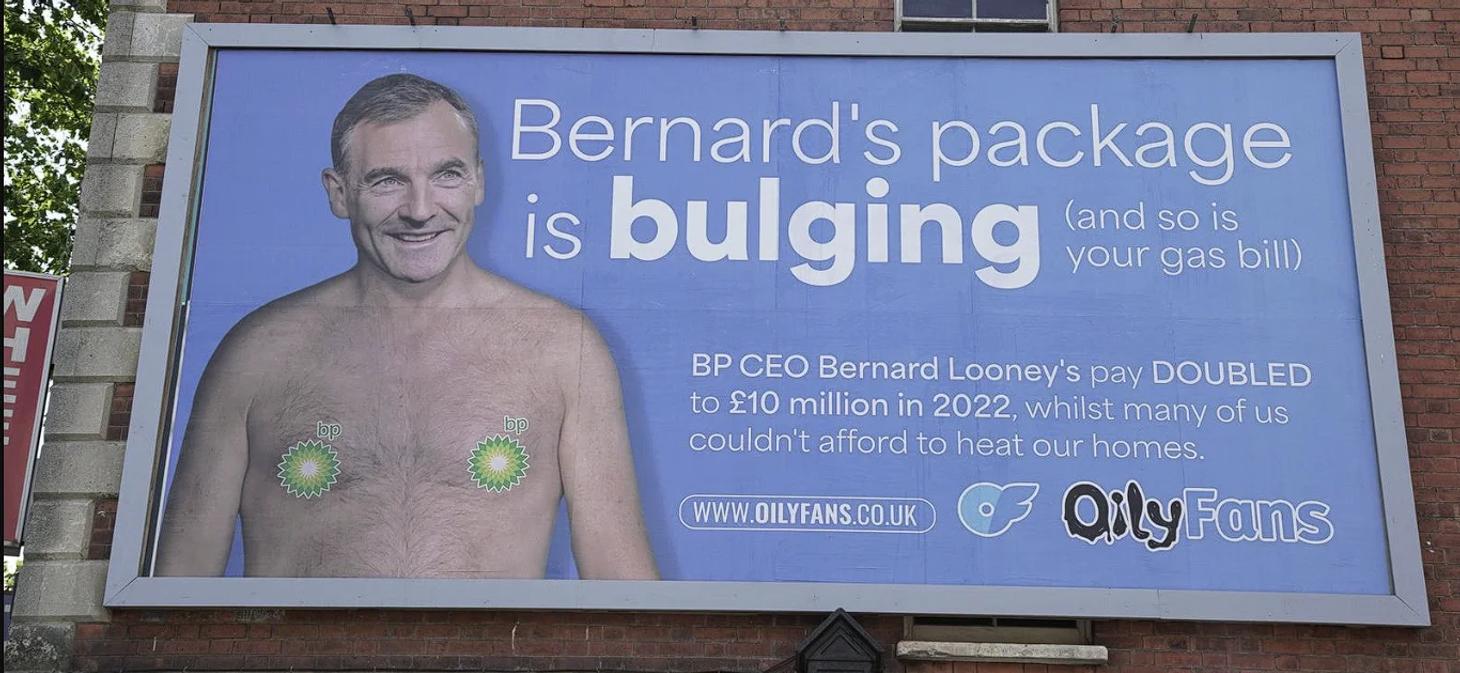
As UK families grappled with a cost-of-living crisis sparked in part by massive hikes in energy bills, oil giants glibly prepared to announce record profits. When controversial OnlyFans billboards sparked complaints and went viral across London, we saw an opportunity.
With just a few days' notice, we bought three of those same billboard spaces and replaced them with "OilyFans" - a tastefully censored topless image of BP CEO Bernard Looney alongside the tagline "Bernard's package is bulging (and so is your gas bill)."
The campaign went viral on social media, sparked fresh complaints to the UK's Advertising Standards Authority, and earned coverage across national and regional press. It hijacked an existing cultural conversation and redirected it toward corporate profiteering - turning a niche investigation into mainstream news in under a week.
Take away: When a story is peaking, speed and cultural fluency beat perfect craft.
WaterAid × Don’t Panic - “The Girl Who Built a Rocket”

When three Mars missions launched in early 2021, billions were being spent to find water on a planet where nobody's thirsty. We hijacked the moment.
We created an animated film about Fara, a Madagascan girl who builds a rocket to fetch water from Mars - only to realise the help she needs is already here on Earth.
Timed to land at the same time as NASA, the campaign generated 162 pieces of press coverage with a reach of 15.6 million. Donations jumped 18% while the campaign ran - WaterAid's highest response rate in over a year. Consideration metrics lifted 5-11% across the board.
Take away: Jump in at the right moment, and a decades-old crisis suddenly feels immediate.
Examples of When Brand Activism Backfires
What happens when activism feels performative or brands retreat from a stated stance? Rarely anything good! Trust us on this one, we’ve learned the hard way.
A March 2025 Harris Poll commissioned by The Guardian found that 53% of Gen Z are actively participating in economic boycotts, with nearly half (46%) citing opposition to DEI rollbacks as motivation. Meanwhile, 40% of Gen Z have already stopped purchasing from brands that contradicted or reversed DEI commitments.
Target: The price of a U-turn
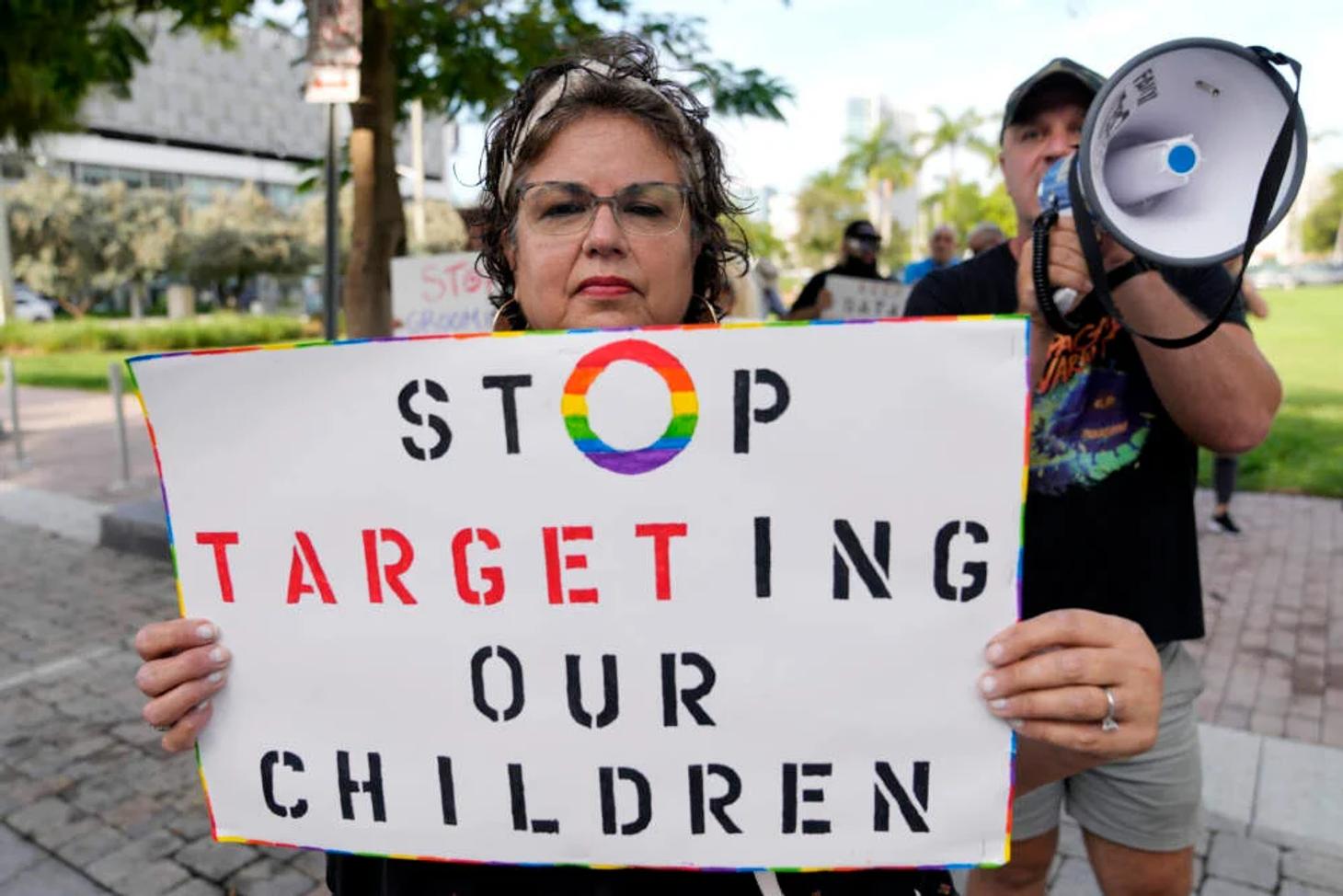
Target spent over a decade building Pride ranges and LGBTQ+ support into its identity. Partnerships with queer creators. Inclusive positioning. Things looked good for inclusivity and love conquering all.
Then conservative consumer backlash hit in May 2023… and the company folded. Pulled merchandise from Southern stores. Moved Pride displays from front entrances to back corners. By 2024, not all of their stores even carried Pride items. By 2025, Target rolled back their DEI programs entirely and replaced Pride displays with "USA" merchandise during Pride Month.
Progressive customers felt betrayed, and the conservative boycotts continued anyway. Footfall dropped 9.5%. Market value fell $12.4 billion. The retreat had shattered consumer expectations on both sides and cost the CEO his job. Big oops.
The Harris Poll numbers manifested: Gen Z (Target's core demographic) abandoned the brand. Not because it took a stance - because it caved.
Take away: The consumer response to retreating from a stance is often more damaging than never taking one.
BrewDog: Punk on the outside
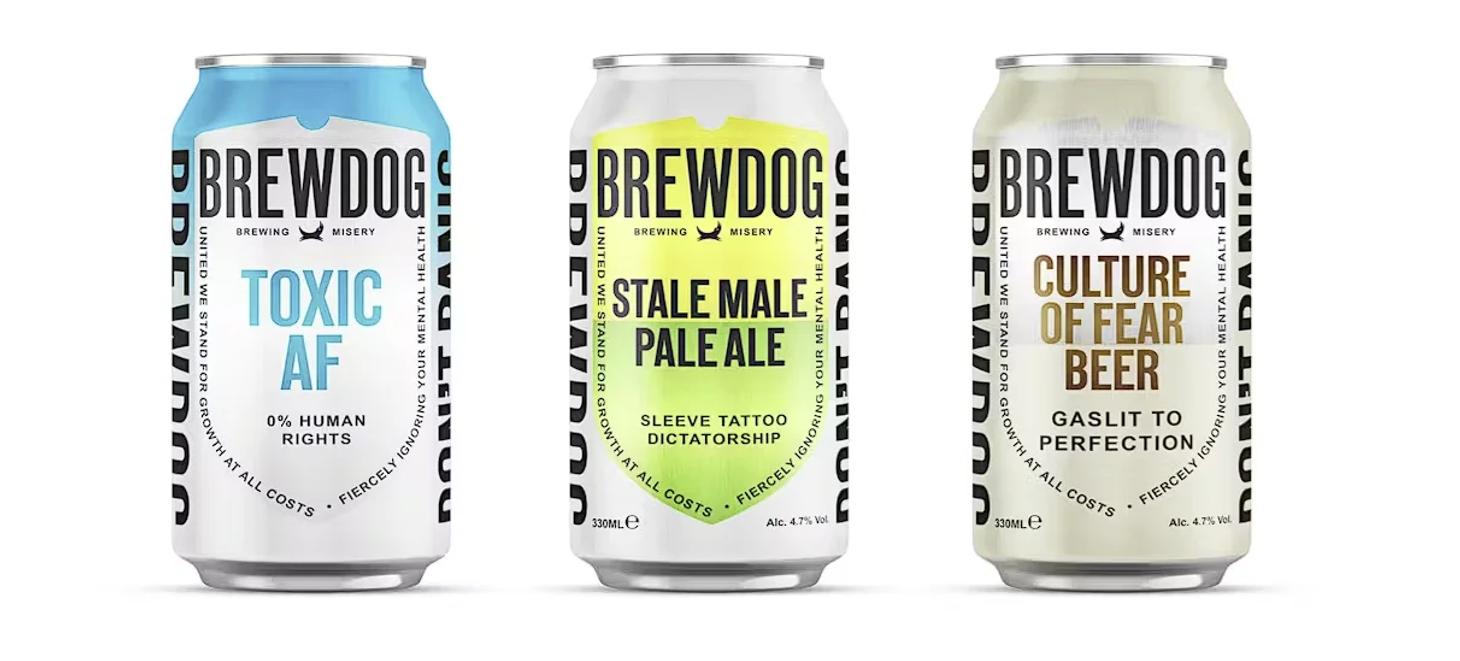
BrewDog sold rebellion. "Punk IPA." Stunts mocking big beer. Loud progressive values.
Then 100+ former employees published an open letter calling foul. Culture of fear, not anti-corporate rebellion. Burnout. Safety shortcuts.
BrewDog lost its B Corp certification. Brand health collapsed - YouGov scores dropped from 18.9 to 4.7. The punk image crumbled when the people inside exposed what "punk" actually looked like.
Take away: When your workers expose the gap between public stance and internal reality, no amount of marketing can rebuild trust.
Let us Help You Build a Brand You Can Be Proud Of
If you want more than a purpose slide and a rainbow logo, you're our kind of people.
Don't Panic helps brands define their purpose-led marketing strategy, do the internal work so the story holds up, and turn that into campaigns people believe.
Ready to build brand activism that means something? Let's talk!