


Most ads don’t land. Not because the budgets are wrong or the channels are wrong. Because the ideas are. As industry legend Ron Collins once put it, “well-cooked crap is still crap”.
Creative quality is, according to an IPA analysis of 28,000 campaigns, second only to brand size as the biggest driver of advertising profitability. It’s more important than every other variable, including media mix, targeting, and spend allocation.
This is a guide for people who brief, buy, and sign off on advertising, covering what creativity actually means, why it matters commercially, and how to make better decisions around it.
What is creativity in advertising?
Creativity in advertising is the application of original thinking to make a message more memorable, resonant, and effective.
The real thing is rooted in audience truth and executed in a way that makes people feel something they didn’t expect. When it misses, it can miss hard. Cringily, embassingly hard.
Creativity in advertising: the use of original thinking to make a message more memorable and more effective, anchored in audience truth, rather than surface-deep novelty.
Why is creativity important in advertising?
Because without it, advertising is just noise at best.
People don’t experience ads as messages. They experience them as interruptions. Creative advertising earns attention rather than demanding it.
Paul Dyson’s 2023 analysis of 28,000 campaigns puts creative quality as the second biggest driver of advertising profitability, with a multiplier of 12. Only brand size beats it.
Four reasons creativity matters in advertising:
Memorability: people remember how something made them feel, not what it told them.
Effectiveness: creative work generates outsized returns against media spend.
Brand linkage: distinctive advertising builds the mental associations that drive preference when people are ready to buy.
Media efficiency: strong creative gets shared, talked about, and covered, generating earned attention that paid placements can’t replicate.
How do you make a creative ad that lands?
Honestly, none of this is a new discovery. Collins built some of the most beloved and still highly rated British campaigns of the 20th century: the Cinzano ads with Leonard Rossiter and Joan Collins, BMW’s “Ultimate Driving Machine”, the Carling Black Label campaign that ran for over a decade on a single idea.
Someone does something extraordinary, and a bystander says “I bet he drinks Carling Black Label.” Simple. Effective. It became so embedded in British culture the phrase entered everyday conversation.
What made it last wasn’t execution alone. It was the strength of the original idea. Simple enough to survive twelve years and dozens of versions. True enough that audiences never tired of it. And, importantly, they were funny.
Sure, it was encouraging people to drink more, so yes, it’s not exactly going to win awards for ethics, but effective? Oh yes.
The brief for creativity in ads hasn’t changed:
- Make something that respects the audience.
- Make it true.
- Make it mean something when it lands.
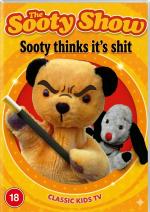
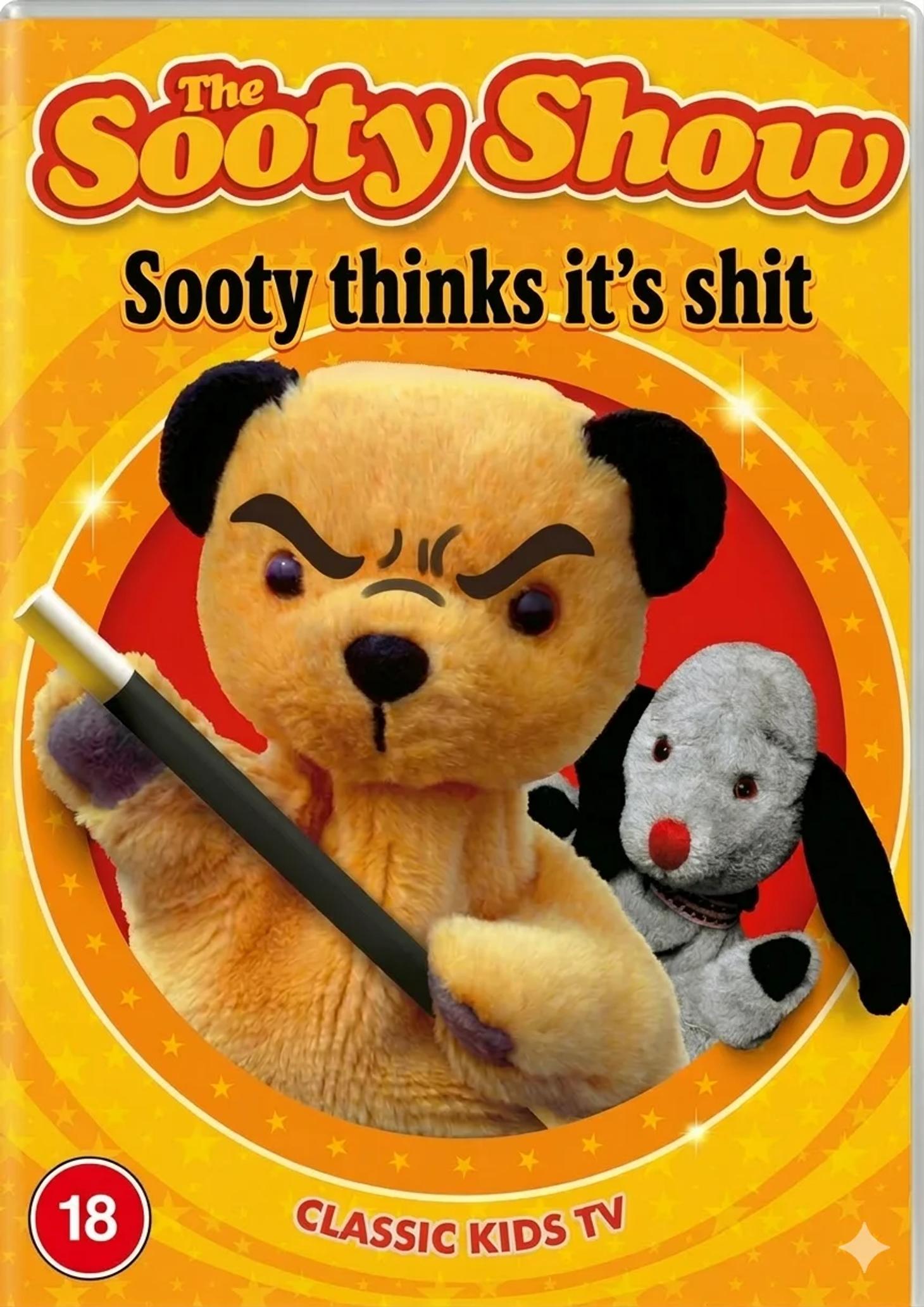
Collins kept a Sooty puppet on his desk specifically for critting work that didn’t meet that standard. “I think it’s pretty good,” he’d say, “but Sooty thinks it’s shit.”
Binet and Field’s analysis of 996 IPA campaigns confirms what Collins already knew: emotional advertising delivers twice the profit of rational campaigns. Feeling is how advertising works.
Take our Most Shocking Second a Day campaign for Save the Children. We turned the Syrian refugee crisis into a story set in Britain. It became the most-shared charity film of its time, covered by The Times, The Guardian, and Sky News. Donations increased measurably. The idea did the work. More on that example, and five more, below.
What are the elements of creativity in advertising?
Five elements separate creative advertising that lands from work that looks good in a deck and disappears on screen.
Originality: the idea feels genuinely new, specific to this audience, this context, this intent. Novelty for its own sake evaporates. Novelty with purpose cuts through.
Relevance: the idea connects to something real in the audience’s life. Relevance is what makes people think “that’s for me.” Without it, even beautiful work is just decoration.
Emotional resonance: the work makes people feel something. Joy, tension, recognition, grief, pride: the emotion doesn’t matter as much as its authenticity. Manufactured feeling gets spotted immediately.
Distinctiveness: the work is identifiably yours. It builds brand recognition over time, not just in one campaign. Distinctiveness is how brands compound over years, not quarters.
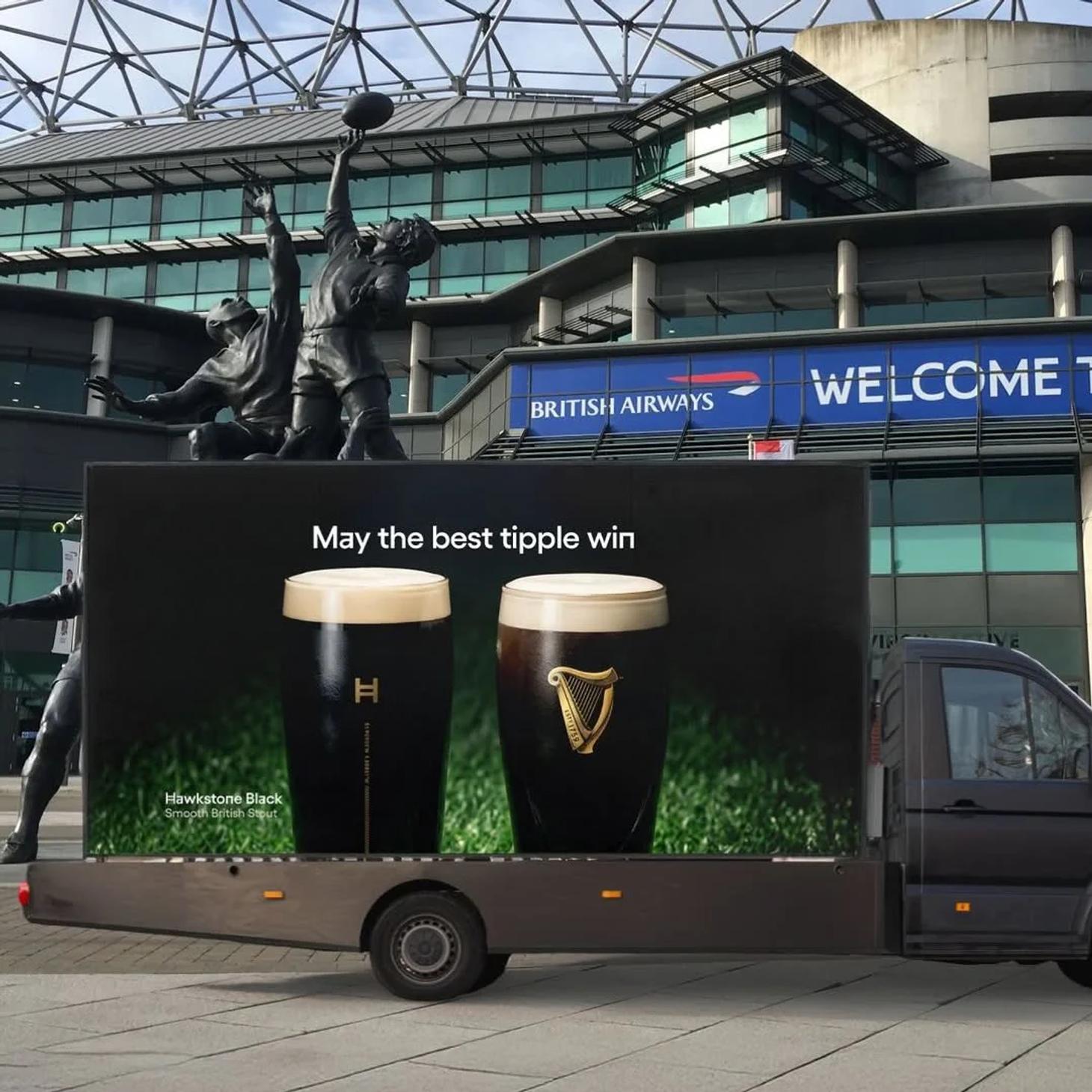
Brand linkage: people remember the ad and who made it. Ads people love but can’t attribute to your brand are just free advertising for the competition - think Jeremy Clarkson’s accidental ad for Guinness. Strong brand linkage is what turns attention into commercial return (just try to make sure it’s for you).
What is a creative concept in advertising?
A creative concept in advertising is the central idea that holds a campaign together: the single thought beneath all the execution.
It lives underneath the film, the billboard, the social post, the headline. Strip out every format and the concept is what remains. If what’s left is just a mood or a theme, you’ve still got the start of a creative ad concept.
Take "Earworm", our 2025 Christmas campaign for Shelter. The concept: frustration as empathy. The sensation of being stuck, on hold, going nowhere, made visceral through a boy singing Bonny Tyler to himself throughout his school day to the annoyance of those around him. The concept carried the emotion.
What is the creative process in advertising?
The creative process for an ad hinges on the brief. A weak brief produces something Sooty would think is shit. Full stop. Before anything else, get clear on the problem the ad is solving, who it’s for, and what you want people to feel.
From there, it moves through six stages.
- Brief: define the challenge and the audience with precision.
- Audience truth: identify the real human insight that will make the idea resonate. A behaviour, a belief, a frustration: something specific enough to build from.
- Idea generation: explore widely before committing.
- Concept development: sharpen the best idea into something executable and distinctive.
- Execution: bring the concept to life across the right channels.
- Evaluation: measure what worked and why, so the next brief starts from a stronger position.
The process isn’t linear. Good creative teams can happily dance back and forth between stages. Skipping the audience truth stage is usually where campaigns trip up.
What are the 4 Ps of creativity in advertising?
The 4 Ps come from psychologist Mel Rhodes’ framework: Person, Process, Press, and Product. Read as a commissioning lens, they clarify where good creative comes from and where it breaks down.
- Person: the creative thinker behind the work. Their skills, experience, and perspective. When briefing or hiring creative partners, this is what you’re really evaluating.
- Process: the method used to develop ideas. A strong creative process produces better ideas more reliably. Structured thinking, not guesswork.
- Press (environment): the context in which the work is made. Internal culture, brief quality, time and resource. Restrictive environments produce safe work.
- Product: the output itself. The ad, the campaign, the idea. It’s what gets measured, but it’s shaped entirely by the other three.
Don’t Panic’s framework for better creative decisions: Purpose, Audience, Relevance, Platforms
Most campaigns fail at the brief stage, not the execution stage. That’s why we’ve put together a practical lens to look through - work through it each time, and you’ll make sharper creative decisions before anything goes into production.
Yes, it spells PARP. Don't overthink it. Or overstink it! Don't judge me, I'd bet Ron would've found it funny.
Purpose: why does this campaign exist beyond selling something?
The clearest campaigns know what they stand for. If you can’t state the campaign’s reason for existing in one sentence, the brief isn’t ready. Our guide to brand purpose covers how to find and articulate it.
Audience: who specifically is this for, and what do they actually care about?
Behaviours, beliefs, frustrations, motivations. The better you understand your audience’s reality, the more precisely your creative can earworm its way into it (see what I did there?). Here’s how we think about consumer insight.
Relevance: does the idea connect to something real in your audience’s life, or in culture right now?
Relevance is timing. The same idea can land or miss depending on whether the world is ready for it. Sometimes it’s worth dropping everything you had planned to seize the right moment.
Platforms: where will people see this, and how does the format shape the idea?
A concept strong enough for a 30-second film may collapse in a social caption. Build for platform behaviour from the start.
Four questions to run against any brief before sign-off:
- Does this campaign have a clear purpose beyond the product?
- Does the audience's truth feel real, not assumed?
- Is the idea relevant to this audience right now?
- Has it been built for the platforms it’ll live on?
If any answer is no, the brief needs another pass (or risk facing Sooty’s wrath).
Our top examples of creativity in advertising and why they worked
Three from our own work, three external, each broken down with the same lens. For more on purpose-led work, see our roundup of social purpose ad campaigns.
1. Don’t Panic x Wildlife Trusts: The Wind in the Willows
The insight: environmental issues feel distant. People needed reminding what they stood to lose on their own doorstep, without guilt-driven messaging.
The idea: a dystopian reimagining of a beloved British story, featuring familiar wildlife and familiar voices.
The execution: a Hollywood-style teaser campaign: nationwide film posters, then a cinematic trailer screened 125,000 times across 500 UK cinemas.
Why it worked: Nostalgia and cultural familiarity did the emotional heavy lifting. The Hollywood format gave the campaign scale and credibility beyond a charity spot.
What to take: Borrow existing cultural love. Building it from scratch takes years. Borrowing it effectively, however, still takes a good idea.
2. WWF: Nature Needs Us Now (2025)
The insight: “Nature Needs Us Now” contains its own argument. The film’s job was to make each word felt, not explained.
The idea: build the campaign line visually, one word at a time.
The execution: a 36-second film. Beauty and wildlife for “Nature,” degradation for “Needs,” collective human action for “Us” and “Now.” No voiceover. No narration. No explaining.
Why it worked: Total restraint. The structure was the concept. By the time the full line landed, the audience had already felt it.
What to take: If your line is strong enough, trust it to carry the film. The best creative direction is sometimes knowing what to leave out - show, don’t tell.
3. Don’t Panic x Shelter: Earworm (2025)
The insight: 84,240 families will spend Christmas in temporary accommodation. The challenge was moving people beyond sympathy to recognition.
The idea: the frustration of being stuck on hold as a metaphor for the daily reality of housing limbo.
The execution: a boy singing Bonnie Tyler’s “Total Eclipse of the Heart” a capella throughout his school day, directed by Michael Gracey, supported by digital, social, and PR.
Why it worked: Cheery surface, devastating reveal. Empathy without pity. The absence of backing music made it feel raw and intimate against the crowded Christmas ad landscape.
What to take: Use relatable frustration as an emotional entry point into a specific, unfamiliar crisis.
4. Tony’s Chocolonely: There’s Fight In Every Bite (2026)
The insight: exploitation in the cocoa supply chain is serious but invisible. It needed a loud, dramatic vehicle to cut through.
The idea: a wrestling match between Tony (the brand) and X-ploitation, the villain hiding in every other chocolate bar.
The execution: Tony’s first-ever TV commercial globally, broadcast on Sky from February 2026. Two real wrestlers fighting in an ordinary living room while two women on the sofa discuss the issue calmly.
Why it worked: Purpose made visceral and entertaining. Buying the chocolate felt effortless compared to the good it does.
What to take: Give your cause a villain (ideally in spandex). Abstraction is the enemy of action.
5. Don’t Panic x Save the Children: Most Shocking Second a Day
The insight: the Syrian crisis felt geographically and emotionally distant from UK audiences. Relatability required reframing the story on home turf.
The idea: a British girl’s ordinary life dismantled by war, set in the UK, structured around the then-popular 1 Second Everyday format.
The execution: an online film that became the most-shared charity film of its time, covered by The Times, The Guardian, and Sky News, leading to a measurable increase in online donations, and a sequel as the crisis continued that revitalised waning interest and support.
Why it worked: Proximity and format familiarity collapsed the distance between audience and subject. The twist made it impossible to dismiss. The follow-up brought it home a second time.
What to steal: Reframe who the story is about. Proximity changes everything. If people start to forget, hit them with it again, and harder.
6. Who Gives A Crap: The Dream Limited Edition (2025)
The insight: a midnight trip to the loo is a minor inconvenience for most people. For billions without access to a safe, private toilet, it’s a dangerous experience.
The idea: glow-in-the-dark toilet paper packaging that turns a product feature into a social mission.
The execution: a film produced by BBC StoryWorks Commercial Productions, tied to a limited edition product release and the charity’s sanitation funding mission.
Why it worked: Product and purpose were inseparable. The creative idea lived in the object itself, not just the advertising around it.
What to steal: Find the moment where your product behaviour and your brand mission are the same thing.
Can you measure whether creative advertising is actually working?
Yes, it’s possible to measure if your creativity is landing, but it’s not necessarily as simple as looking up how KPIs work. Before you go live, establish a baseline. What are people’s current associations with your brand? Where does it sit in the mental landscape of your category? Without a baseline, you’re guessing whether anything shifted.
During a campaign, watch for earned attention. Are people sharing the work unprompted? Is it being covered beyond your paid placements? Earned attention signals that creative advertising is working. People wanted to be part of it.
After the campaign, look beyond reach and frequency. Track recall: can people remember the ad and attribute it to you? Track brand linkage: do they associate the campaign with your brand specifically, or just the category? Track commercial outcomes: consideration, preference, and conversion, not just awareness.
The simplest test to see if your creative advertising efforts are actually working:
- Did people feel something?
- Did they talk about it?
- Did it change how they see the brand?
Yes to all three means it worked. Good job. Stand down, Sooty.
When does it make sense to work with a creative advertising agency?
When the work you’re producing internally stops cutting through. When you’re tackling something that needs to land beyond your existing audience. When you need someone to challenge the brief, not just execute it.
A creative advertising agency like Don’t Panic earns its place when the problem is genuinely hard, when you need an idea that can travel, shift perception, and make someone feel something they didn’t expect. The most useful question to ask before you appoint anyone: are we close enough to this problem to solve it with the creativity it deserves?
Sometimes you are. Often, bringing on people with some distance helps.
When you’re briefing, ask to see work that didn’t play it safe. Ask how they approach the audience truth stage. Ask what they’d challenge in your brief. Challenge them on their strategic approach.
If you’re still working out what to look for, our guide to what a creative agency actually does is a good starting point.
The brands that are nailing creative ads build the conditions for success first: finding real audience truth, giving ideas room to be brave, establishing measurement that looks at what actually matters and learns from it.
Without doing the groundwork, you’re just producing more dull, creatively-bankrupt content. And the world has enough of that already, thanks. For some very much not-dull and frankly rather creative content, take a look at our work.