



Animated girl in a homemade astronaut helmet, driving a rocket for Don't Panic & WaterAid's "Girl Who Built a Rocket" campaign.

Blog

How to Create Shareable Content (+ The Psychology Behind It)

Published 18 Nov 2025 | 0 min read

There’s plenty of content out there. Most of it vanishes without a trace. The stuff that sticks makes people feel. It says something real, makes someone laugh, or helps them look clever in a group chat. That’s what travels; not noise, but emotion.

The New York Times found that 84% of people share content to back causes or ideas they care about. The rest? To look sharp, funny or informed. Either way, know the motive, because shareable content isn’t just seen, it’s spread.

How to Create Shareable Content

1. Know Your Audience Like a Friend

People share what feels personal. To hit that nerve, know what your audience loves, hates, laughs at and fights for. Watch how they talk, what they react to, and where they find meaning, then speak their language back to them.

Relevance fuels reach - Demand Gen says it boosts shareability by 83%. The closer your content mirrors who your audience is, the further it flies.

Example: Take WaterAid’s “The Girl Who Built a Rocket.” It wasn’t just a story; it was a spark. Hope, ingenuity and emotion all rolled into a film people couldn’t help but pass on.

If you’re wondering what makes content go viral, this breakdown on emotional engagement is a quick win.

2. Lead with Emotion

Emotion runs the internet. Joy, awe, anger, empathy. They move people faster than any clever headline. The best brands don’t just tell stories; they engineer feelings that make people hit share before they’ve even thought about it.

IPA data backs it up, emotional ads outperform logical ones almost two to one. Proof that feeling beats thinking every time.

Example: Netflix nailed this with “The Two Sides of Christmas”, chaos and calm in one scroll. People saw themselves in it and hit share to say ‘this is so us’.

Two smartphones display humorous Netflix tweets, creating shareable content with relatable Christmas-themed jokes.

3. Offer Value Worth Passing On

If your content makes someone look smart, helpful or in the know, they’ll do your marketing for you. Tips, hacks, explainers, the practical stuff spreads fastest because it gives value people want to pass on.

The Journal of Marketing Management found it’s not brand fluff that wins - it’s the how-tos and hacks that get shared.

Example: YouTube’s “Seat at the Table” is proof. We teamed up with Cheshire Wildlife Trust to rewild farmland and amplify unheard voices in the climate debate, turning purpose into shareable storytelling that mattered.

Hungry for more tips? Try these branded content strategies and examples.

4. Design for Scroll-Stopping Visuals

If your visuals don’t stop the scroll, nothing else matters. Every platform’s a visual battlefield — win it with strong contrast, motion, and clarity. Design for eyes first, thumbs second, and always mobile-first.

Adam Connell’s 2025 data says it all - bold, distinctive visuals get shared 40 times more. Safe design doesn’t travel.

Example: Wildlife Trusts’ “Wind in the Willows” brought nostalgia to life, playful, bold and emotional. It reignited love for the countryside and started real conversations about conservation.

Want more? Learn how to make compelling social media videos that stop people scrolling.

5. Tap Into Culture, Not Noise

Shareability happens where timing meets truth. Don’t chase trends — hijack moments that already matter to your audience. Culture moves fast; meet it head-on.

Sprout Social says 93% of people expect brands to stay culturally relevant. 90% use social to keep up with what’s happening. Miss the moment and you miss the share.

Example: Take our Oxfam campaign, “Say It With Me Now.” We didn’t just join the tax justice debate, we flipped it into a movement. Influencers, rhythm, and rebellion turned policy talk into something people actually wanted to post about.
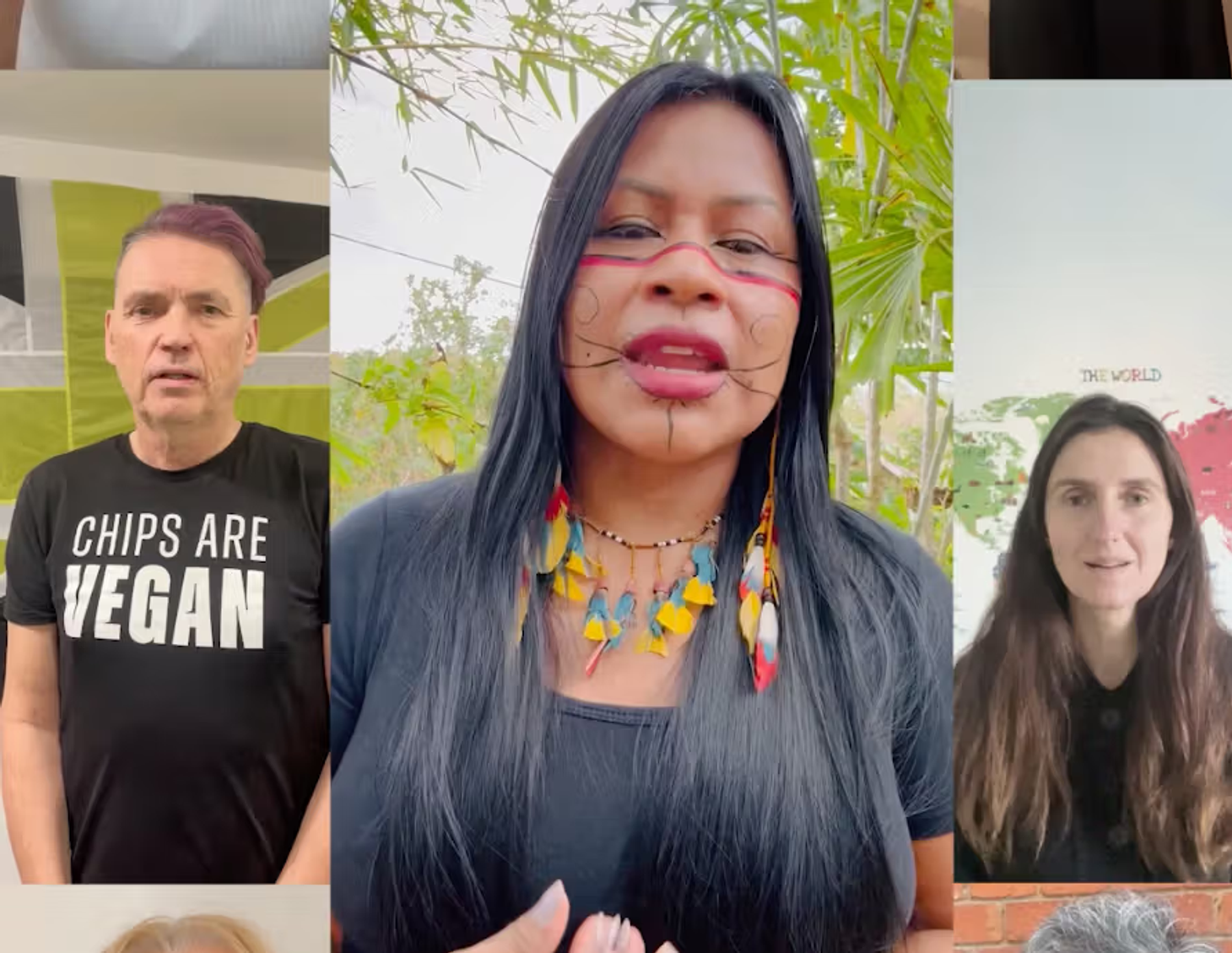
Three diverse individuals express ideas, creating shareable content for impactful campaigns, set against vibrant backgrounds.

For timing and trend fit, this guide on how to go viral is a sharp checklist.

6. Invite People In

The most shareable ideas make space for people. Challenges, polls, duets, UGC - anything that lets them co-create. When they help tell the story, they help spread it.

Hootsuite’s 2025 data shows it plain, UGC beats brand posts every time. Real voices build trust, and trust gets shared.

Example: Our giffgaff campaign, “Have a Proper Chat,” proved it. Real people, real stories, real talk and it spread like wildfire because it felt genuine.

7. Keep It Effortless to Share

Friction kills sharing. Keep it stupidly simple; one click, one tap, one reason to share. People are generous with attention until you make them earn it.

CoSchedule found that just removing friction, fewer clicks, clearer CTAs, can boost shares by 20%. A single “Share this with someone who…” line can double your reach overnight.
Platform-Specific Tactics for Shareable Social Media Content

The right idea only travels if it fits the platform it lives on. Each social space has its own rhythm, tone, and audience behaviour - understanding that is key to creating shareable content that actually lands.

Instagram and TikTok

Attention moves fast here. Prioritise short-form video, carousel posts, and interactive tools like polls, remixes, and stitches. According to Sprout Social’s 2024 Index, short-form video outperforms static posts by 32% in engagement and shares.

  • Use trending audio and captions that hook in the first second.
  • Keep visuals bright, clean, and easy to absorb on mobile.
  • Layer in humour or emotion - content that entertains or surprises drives most shares.

Example: Duolingo uses its mascot, "Duo the owl," on TikTok for marketing by creating humorous and relatable content that leans into the app's threatening-yet-funny reminder persona. Their strategy focuses on creating an authentic brand voice by using humour, engaging directly with users through comments and duets, and creating content based on platform trends and user feedback, all while subtly encouraging users to return to the app.

If short-form is your focus, here are the ideal video lengths for different social platforms.

LinkedIn

This platform rewards usefulness and credibility. Posts that teach or simplify complex data get shared most.

  • Use educational carousels, data-led visuals, or short how-to clips.
  • Keep tone conversational but informed.
  • Lead with a stat or insight that readers can repost to look smart to their own networks.

Example: Adobe Express’s “how-to” design tutorials turn product education into useful, shareable lessons for professionals, which works perfectly for Linkedin.

X (formerly Twitter)

Speed and timing dominate.

  • Respond to current events and trending topics quickly with relevant commentary or visuals.
  • Use concise copy and strong visuals — posts with images or short videos get twice the engagement of text-only tweets (Hootsuite 2024).
  • Threads that tell a story or unpack a problem earn more retweets than isolated statements.

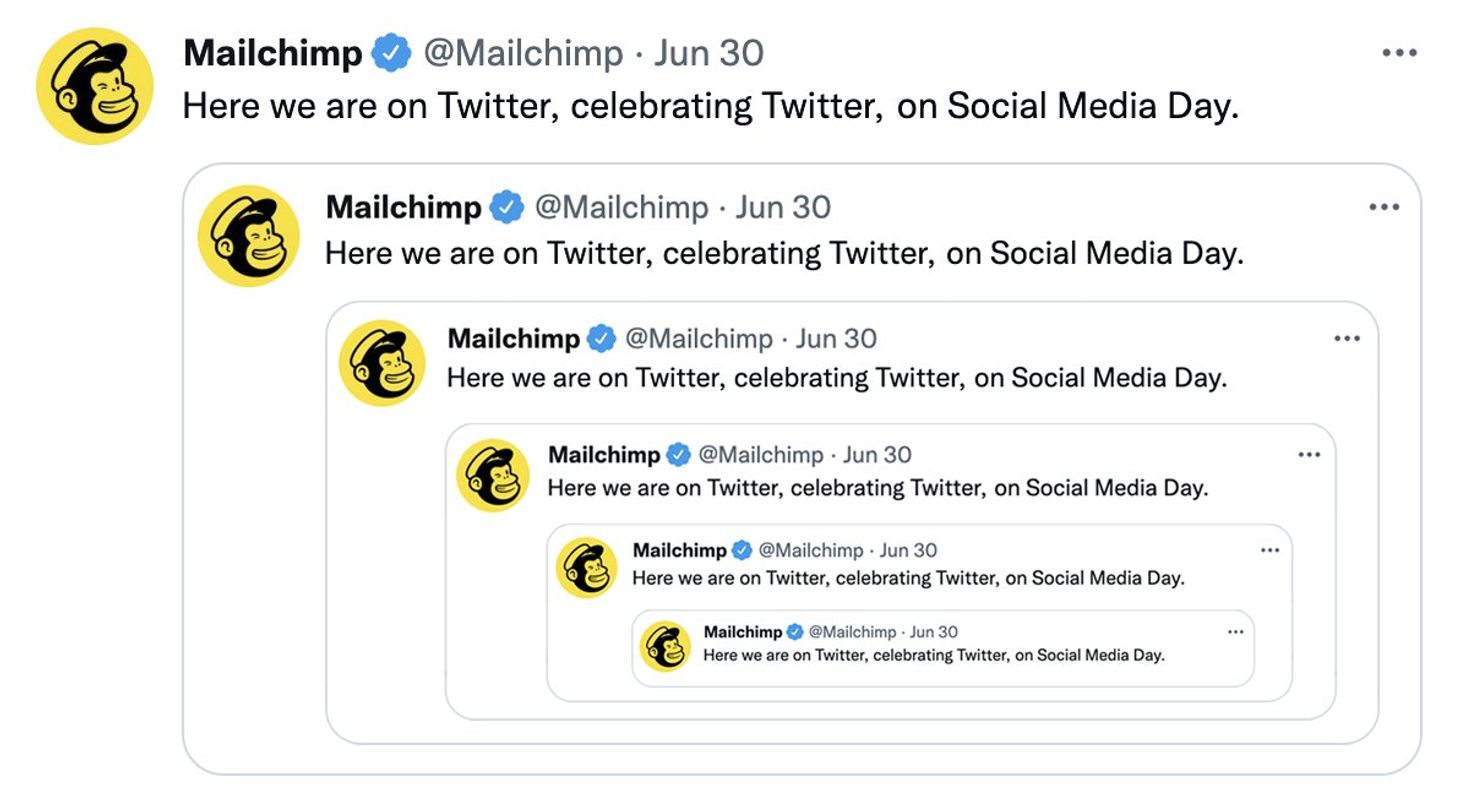
Example: Mailchimp’s real-time responses to marketing news combine humour and insight, encouraging users to quote or retweet.

Mailchimp tweets responding to user queries, showcasing shareable content and customer support engagement.

Image source: Rival IQ

YouTube

Here, shareability comes from depth and storytelling, not speed.

  • Create mini-series or behind-the-scenes pieces that build loyalty.
  • Include hooks in the first 5 seconds and strong CTAs at the end.
  • Encourage comments and discussion to spark community sharing.

Example: Patagonia’s sustainability series drives conversation by pairing purpose with cinematic storytelling - content people share to align with values, not just watch.

If consistency is slipping, fix it fast with these actionable content marketing tips to drive more traffic.

Facebook and Communities

While its growth has slowed, Facebook remains powerful for community sharing.

  • Focus on emotional storytelling and relatable life moments.
  • Use Groups and niche communities to seed conversation.
  • Include clear share prompts and visuals optimised for both mobile and desktop.

Example: John Lewis’s annual Christmas ads show how emotional storytelling fuels Facebook sharing. Short, cinematic films like “The Beginner” and “Snapper” rack up millions of organic shares each year because they evoke joy, empathy and connection.

Ready to Create Shareable Content?

Shareable content doesn’t happen by luck. It’s built on cultural awareness, emotional insight, and ideas that feel fresh enough to pass on. The best brands understand what their audiences care about and create stories that move with them - across platforms, across moments, and across conversations.

At Don’t Panic, we turn that understanding into work that earns attention and sparks action. Whether it’s a bold branded story or a campaign built for conversation, our ideas are made to travel.

Explore our work to see how we’ve helped brands capture imaginations and headlines. Or get in touch to talk about how we can help you create content people can’t wait to share.

Loading...

Share

Related Articles

Loading...