



By the time a B2B buyer types anything into search, they've already got about three brands in mind, according to LinkedIn's B2B Institute. If you're not one of them, you've already lost. No amount of ad spend buys back a place buyers have already ruled out.
That's what B2B brand response is for. Not brand-building instead of chasing leads: both, at the same time, so buyers already know your name by the time they're ready to talk.
Here's how to actually pull it off: where the money goes, how to reach the whole buying group instead of one person, and how to know it's working before pipeline catches up.
B2B Brand Response at a glance
- B2B brand response builds brand recognition and captures leads at the same time, so buyers already know you when they turn up ready to buy.
- The average B2B decision now involves around 22 people once outside advisers get counted, so pitching one person doesn't work anymore, according to Forrester.
- Most B2B advertisers run about 30% brand to 70% demand, when 40 years of effectiveness data actually points to closer to the reverse, according to 6sense and the IPA.
- In B2B a response usually isn't a sale, it's a meeting or a demo, which means events, LinkedIn and gated content all count.
- Judge B2B brand response on brand-health signals and how fast deals move, not on today's conversions.
What is B2B brand response advertising?
B2B brand response advertising does two things at once. It builds the name recognition that demand generation will need later, and it captures the demand happening now. It’s different from a straight brand-or-performance split because they run together, on the same budget, aimed at the same buying group rather than being sequenced on after another.
The full definition lives in our brand response advertising guide. This piece is about what changes when your buyer is a company, versus a singular consumer.
Why brand response matters more in B2B
Brand response matters more in B2B because most B2B categories haven't built the brand half in the first place.
Only 14% of cybersecurity searches include a brand name. It's 46% in B2B telecoms, against 87% in B2C, according to LinkedIn's B2B Institute. Basically, most B2B buyers don't even know what to type when they start looking.
They search generically and pick from whoever shows up. That's a memory problem only brand building can fix.
The same principles that make emotional advertising stick in B2C build that memory here too. Buying committees are still made of people, and people remember a feeling before they remember a feature list.
It shows up in the economics as well. Branded search returns about $12.99 for every dollar spent, against $0.68 for non-branded terms, according to LinkedIn's B2B Institute. Buyers who already know your name spend less time being persuaded and more time confirming a decision they've already made.
How is B2B brand response different from B2C?
Two things separate B2B brand response from the B2C version: who the buyer is, and how fast they act. For the general split between brand-building and direct-response mechanics that sits underneath both, see our piece on brand response versus direct response.
You're pitching a committee
A B2B purchase now runs through around ten people, according to 6sense. Add in the external advisers and reference contacts they consult, and Forrester puts the real number at 22.
Brand response aimed at one buyer misses most of that group. The finance lead who signs off never saw the campaign that convinced the technical lead. The procurement stakeholder who blocks the deal has no memory of the brand at all.
That's what makes B2B brand response different from B2C. You're building recognition across people with different jobs, different priorities, and different reasons to block the deal. The same logic applies to B2B SaaS content marketing, where funnel-stage content is mapped to each role in the group rather than one composite buyer.
Responses take months
In B2C, a response might be a same-week purchase. In B2B it's almost never a sale. It's a demo booked, a meeting agreed, a case study downloaded: all openings, all a long way from a signed deal.
That changes what "response" means in the campaign. Success is moving someone from unaware to actively engaged, with a specific next step to take. Revenue comes later.
It also changes the clock. A same-week sale either happens or it doesn't. Everything in B2B takes months to mature, because the buying group works the cycle in parallel, all at once.
So if you judge B2B brand response against the wrong clock, it would look like it isn't working when it's doing exactly what it should.
How much of the budget goes to brand versus response
The evidence says invest more in brand than most B2B teams currently do.
Forty years of effectiveness data from the IPA puts the benchmark at 60% brand, 40% activation. B2B advertisers typically run about the opposite: 30% brand, 70% demand, and closer to 20:80 when budgets tighten, according to 6sense.
That gap is the opportunity. Most B2B advertisers aren't choosing between brand and demand generation on the evidence. They're choosing what's easiest to report this quarter, and demand generation reports faster.
The steer isn't to flip the ratio overnight. It's to tilt deliberately toward brand, and hold the line past the first quarter where the pipeline dashboard looks lighter than usual.
Brand work takes longer to show up in the numbers than demand generation does. That's the trade, and the evidence says it's worth making.
How to run brand response for a buying committee
Running brand response for a group instead of a person changes two things: where the campaign has to reach, and how it earns attention once it does.
Reach the whole group, not just the champion
Map the buying group before the campaign starts, not after. Technical evaluators, budget holders, procurement, end users and the external advisers they consult all need a reason to recognise the brand, not just the person negotiating the deal.
That doesn't mean running the same message at every role. It means running brand work broad enough that whoever in the group encounters it, on whatever channel they're on, gets the same core impression of who you are.
Where that group physically gathers matters more than most B2B media plans account for. Conferences, industry events and the journeys around them put a buying group in the same place at the same time, which is exactly where consistent, repeated brand exposure compounds fastest.
Miss that, and the campaign only ever reaches the one person already looking.
Where B2B brand response lives
B2B brand response doesn't need a bigger budget than demand generation alone. It needs the channels already in the plan doing double duty: building memory as well as capturing intent.
The channels that do this well:
- LinkedIn organic and paid, reaching a buying group that's already there for work
- Event-led activity around the moments a buying group physically gathers
- Gated research and thought leadership that earns attention on its own terms
- Branded content that gives technical evaluators and budget holders the same story, told differently for each
- Owned and third-party press coverage that lands the brand somewhere the buying group already trusts
Branded content does more work here than most B2B teams give it credit for. Our guide to branded content strategies covers how to build brand memory into the creative itself, not just the media plan around it.
What good B2B brand response looks like
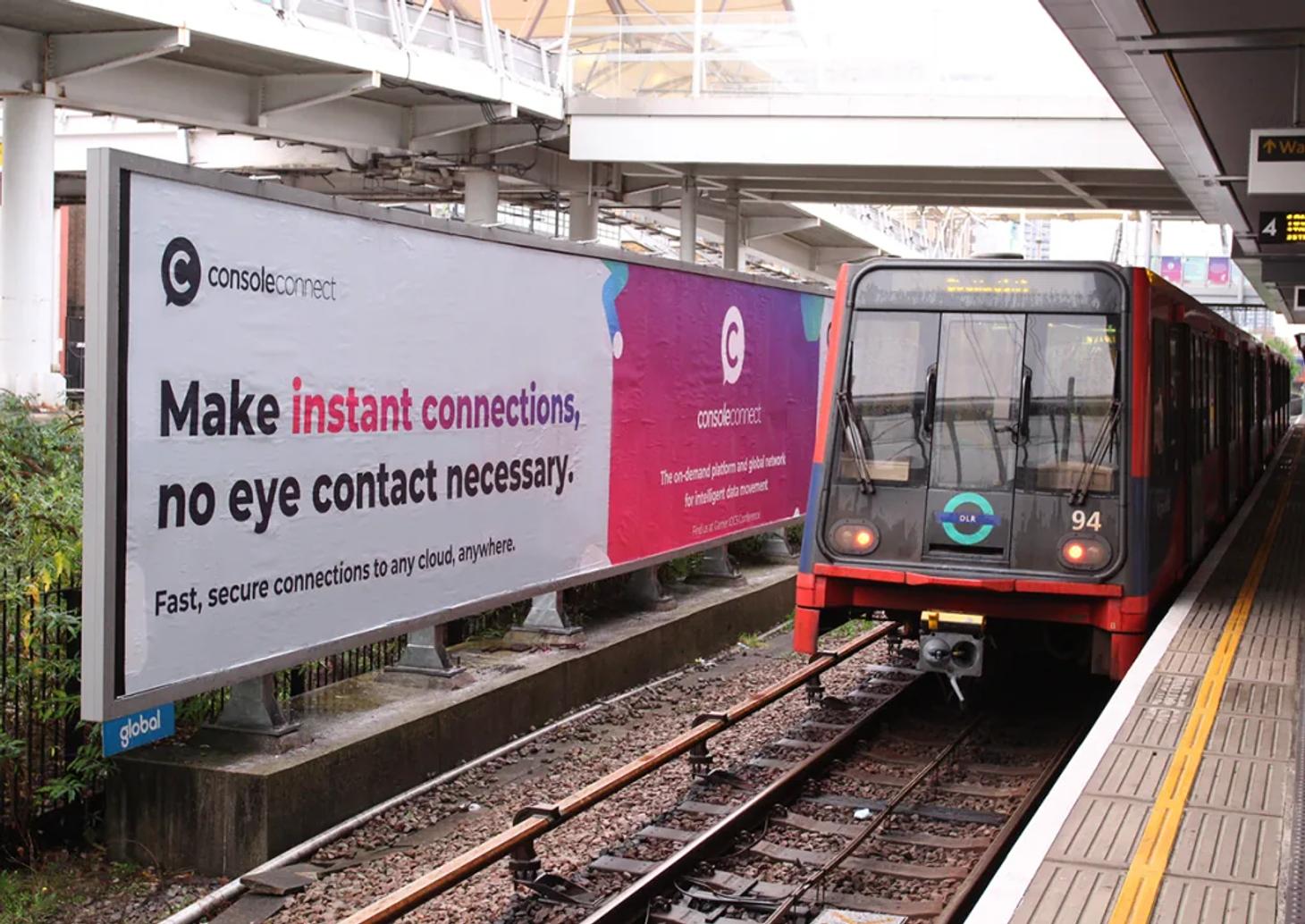
Console Connect, the network-as-a-service platform, won Gold at the B2B Marketing Awards 2025 for a campaign built entirely around where its buying group already was: three industry events, in three different cities, each with its own audience and its own tone.
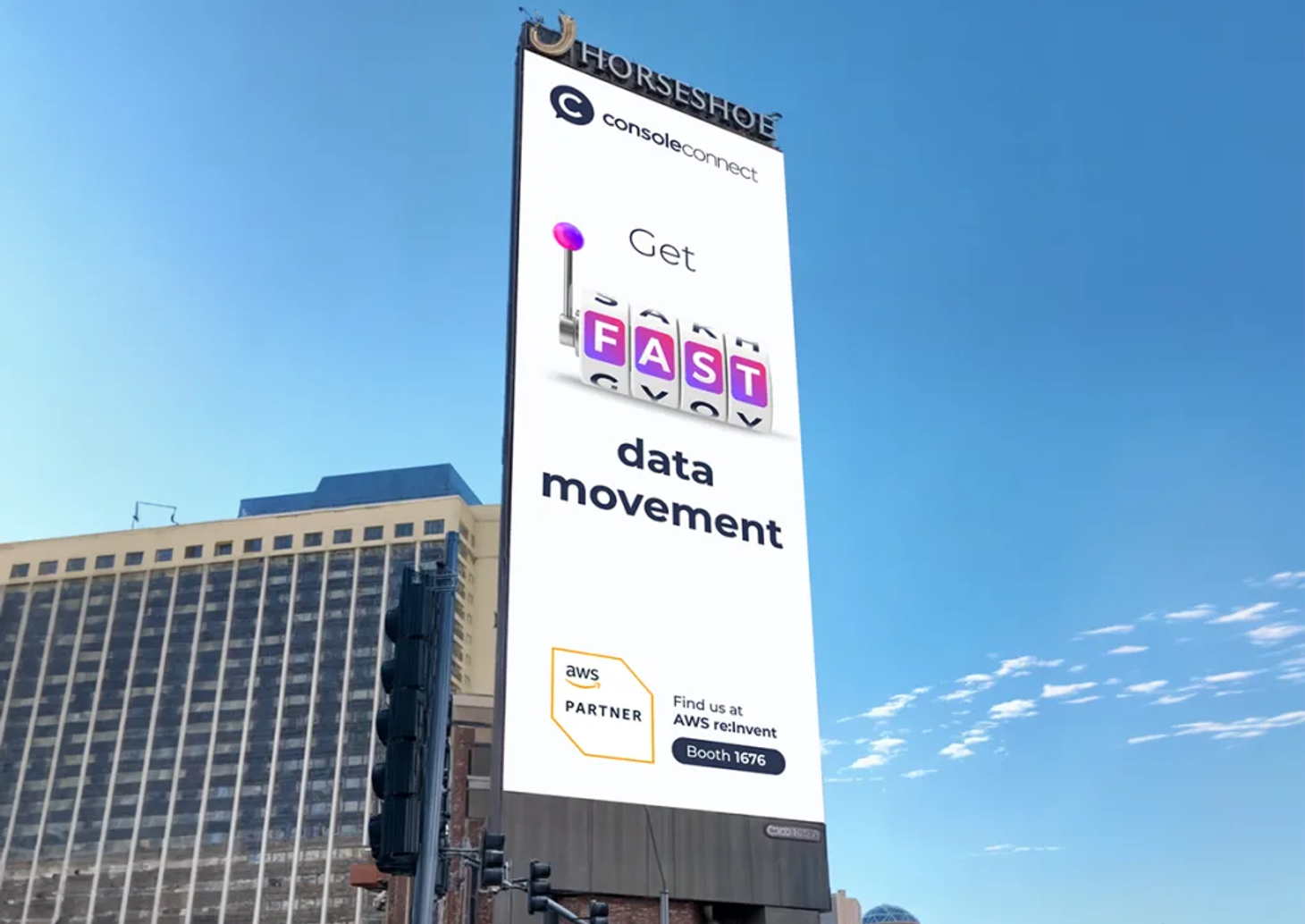
Agency Radish built the campaign around the full journey to each event, not just the stand: airport signage, train station takeovers, taxi wraps, geo-targeted digital and speaker sessions. Each city got local humour, not one global script.
The result was a buying group meeting the same brand repeatedly, in a way that felt native to each city, before anyone from the sales team said a word. That's the mechanic: brand response that shows up everywhere the buying group already is, consistently enough that by the time someone asks for a meeting, the brand isn't a cold introduction.
See our work for how we apply the same brand-and-response thinking outside B2B.
How to measure B2B brand response
Standard B2B attribution rewards demand generation and starves brand, because it only counts what happens in the last click before a form fill.
The brand-to-pipeline view fixes that: it maps brand-health signals, branded search volume, direct traffic, unprompted mentions, against marketing-sourced pipeline and deal velocity, not against immediate conversions. Track the inputs weekly, read the pipeline and velocity output quarterly, and use the gap between the two to show when brand work is landing before it shows up as revenue.
Branded search is the cleanest early signal. It moves when brand work is landing, weeks before pipeline shows it. Track it against campaign flight dates, not just month over month.
Deal velocity matters as much as pipeline volume. A buying group that already recognises the brand moves faster through evaluation, because less of the cycle goes towards convincing them you're credible in the first place.
Earned coverage is worth tracking too. Mentions the buying group encounters outside your own channels do more for brand memory than anything paid, which is the whole logic behind earned media as a discipline.
Common questions about B2B brand response
Can B2B brand response work on a smaller budget?
Yes, B2B brand response works at any budget, and skipping the brand half at a small one just makes the demand half work harder for less. A small budget spent entirely on demand generation has less to convert, because fewer buyers in the group already recognise the brand when the ad reaches them. Skew what budget exists towards brand, and use the channels the buying group is already on rather than adding new ones.
How long before B2B brand response shows results?
B2B brand response moves brand-health signals within weeks. Pipeline impact takes longer, usually one to two full sales cycles, because the buying group has to encounter the brand, start a purchase process, then move through it together. Judge early results on branded search and direct traffic, not on closed revenue.
Who should own B2B brand response, brand or demand generation?
B2B brand response shouldn't sit with either team alone. It needs one shared budget and one shared measurement view. Splitting it between brand and demand generation teams recreates the 30:70 imbalance the evidence already shows doesn't work.
Where to start
Start with the buying group, not the campaign. Map who's actually in it, beyond the person to whom you're used to pitching, and check how much of that group would currently recognise the brand unprompted.
Then look at the budget split. If it's closer to 30:70 than 60:40, that's not a failure. It's just where most B2B teams sit before they've made the case for change internally.
Brand response isn't a bigger budget. It's the existing spend, working across a wider group, over a longer clock, measured against pipeline and velocity instead of last-click conversions.
This is exactly the kind of work Don't Panic does. If you want a second read on how the split should play out for yours, helping to build an effective strategy is one of our strong suits.